
Lilọ kiri ibatan: Bii Lati Wa Atilẹyin ati Bibori Awọn italaya
Kinship care provides stability, safety, and support for children in a familiar environment. In Maryland, kinship navigation services can help families access benefits and support and manage any challenges.
Search for kinship navigation programs, or continue reading about ways to get support.



How does kinship work?
Many families are kinship caregivers and don't even know it, because it was at the request of the parent due to a serious hardship. So, it's an informal and temporary arrangement.
Kinship caregivers provide 24/7 care in the home of a relative or family by choice (non-relative). This keeps kids connected to their culture and community.
The child may be placed in a caregiver's home:
- at the request of the local Department of Social Services tabi
- through an informal request from the child’s parent if they encounter a serious hardship
Kinship caregivers partner with the child and their biological parent.
That new relationship can challenge family dynamics and impact the child, parent, and the caregiver's family.
While the 24/7 care is supposed to be temporary, sometimes the kinship caregiver becomes part of the permanent solution by adopting the child or becoming their legal guardian.
Kinship navigators can help caregivers navigate the process and connect them to available resources and benefits. Nationally, kinship caregivers underutilize available benefits, often because they don't know they are a kinship caregiver or that resources and benefits exist.
Get Kinship Text Messages
Sign up for MDKinCares and learn about resources, programs, and get encouraging messages of support.
Kinship Navigation Help
Trina Townsend cared for her niece and nephew when they were teenagers. She thought of herself as an "aunt" before learning about the available benefits.
Trina Townsend, now the Kinship Program Specialist, joined the “What’s the 211?” podcast to discuss what it's like to be a kinship provider.
She went from being a single-parent family of two to a family of five. She remembers the challenges and concerns, hoping she could financially care for the children while also supporting their needs and those of her sister.
Now educating families and connecting them to support, Trina is a resource for all kinship families.
What Benefits Are Available?
Kinship navigators are available to help families navigate assistance programs.
You can dial 211 and get connected to a kinship navigator. They are knowledgeable about kinship benefits and community resources that can offer support.
The child may be eligible for:
- Temporary Cash Assistance/Child Only Grant
- food stamps/Supplemental Nutrition Assistance Program
- child care
- ilera mọto
- iranlowo ohun elo
- Social Security benefits
Learn about each of these benefit programs in 211's Kinship 101 Guide.

Information for Kinship Families
211 Maryland can connect kinship families to information and resources to address essential needs. Dial 211 to talk with someone.


Community Resources for Kinship Caregivers
Kinship caregivers keep children connected to family and culture, so it can be a very positive experience. Connect with resources and support to navigate kinship.
Community organizations throughout Maryland are available to help.
Virtual and Home Visits
In Prince George’s County, you can contact the Onitẹsiwaju Life Center, a private care organization that provides kinship support. Virtual and home visits are available for emotional support, guidance, and they also provide access to counseling and financial assistance.
Video training
Awọn Ọmọ Welfare Agbara Ilé Ifowosowopo Ile-iṣẹ video series helps families learn from others who have overcome kinship challenges for the benefit and well-being of the child.
Awọn Annie E. Casey Foundation offers a training series with tips to help with feelings of loss and ambivalence when a relative comes to live with you. The training series also tackles important themes like guilt, hope, and denial.
Ifipamọ Yẹ
While kinship care is temporary, the placement with a kinship caregiver can last longer than expected. Kinship caregivers should plan for that possibility.
Local kinship navigator can also help to find a path forward, temporarily and permanently, for the child.
If the child is in foster care, the Department of Social Services will work to find a permanent solution. If the child can’t return to their biological parents, the kinship caregiver can become the permanent legal guardian through adoption, legal custody, or guardianship.

Tẹ 211
Soro si eniyan abojuto ati aanu 24/7. Wọn tun le sopọ si awọn orisun.

Navigating Challenges: Family Dynamics
Depending on the circumstances leading up to the temporary living arrangement, kinship may challenge family dynamics.
This can include the child, kinship caregiver, and biological parent(s).
- The child may need support managing stress or help to heal from trauma.
- The living arrangement can interrupt the caregiver’s plans, priorities, and privacy.
- Awọn obi ati alabojuto le ni lati koju awọn ikunsinu nija bi ẹbi, itiju, ibinu, aifọkanbalẹ, ibinu, ati pipadanu.
It can also erode trust within the family. The biological parent may have to earn back the relative’s trust to once again care for the child.
Both the parent and kinship caregiver may also find it challenging to respect boundaries, as these are new or have changed.
The caregiver should help the parent find the support they need to heal, with the ultimate goal of returning the child to the parent’s care when possible.
What can you do?
As the kinship caregiver, you should be prepared to help the parent get the therapy, counseling, or support they need.
A gba obi ati alabojuto ibatan si:
- Gbọ ati atilẹyin kọọkan miiran.
- Jẹ ooto nipa awọn aini ati awọn ifiyesi.
- Fi ẹ̀dùnnú hàn sí àwọn ìpèníjà ẹnìkejì rẹ̀.
- Jẹwọ awọn iṣoro fun gbogbo awọn ti o kan.
Also, dial 211 and talk to a trained professional who can help connect you to kinship resources and community support.
Other Resources for Kinship Families

Itọju ibatan ti Maryland 101: Kini O Ṣe Ati Bii O Ṣe Iranlọwọ
Caring for a relative’s child or family by choice (non-relative) makes a difference! Even if it’s an informal arrangement, this 24/7 care is kinship care…

Atilẹyin fun Awọn ọmọde ati Awọn idile
Together, we can help Maryland’s children thrive! Whether you’re a parent, grandparent, caregiver, or kinship family, 211 is here to connect you to community supports.…

Bawo ni WIC Maryland Ṣe Iranlọwọ Awọn Obirin, Awọn ọmọde ati Awọn ọmọde Pẹlu Ounje
WIC n pese awọn iwe-ẹri ounjẹ si awọn iya ti o yẹ lati wa, awọn iya tuntun ti n ṣe itọju, ati awọn ọmọde ti o to ọdun 5. Kọ ẹkọ nipa yiyanyẹ ati ni asopọ si…

Maryland’s Guide to Free Food
Increasing food costs are stretching food budgets for families and individuals, and we’re here to help you learn about food assistance programs. Start searching for…
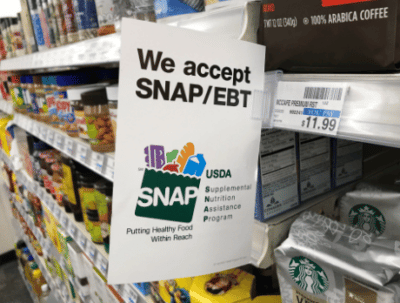
Awọn ontẹ Ounjẹ Maryland/Eto Iranlowo Ounje Afikun (SNAP)
Awọn ontẹ Ounjẹ Eto Iranlọwọ Ounjẹ Afikun (SNAP), ti a mọ tẹlẹ bi awọn ontẹ ounjẹ, pese iranlọwọ owo si awọn idile ti o ni owo kekere ki wọn le ra ounjẹ. Fun…

Awọn ibudo Ooru, Awọn eto ati Atilẹyin Ounjẹ fun Awọn ọmọde
Ṣe o n iyalẹnu bi o ṣe le jẹ ki ọmọ rẹ ṣiṣẹ lọwọ lakoko ti wọn wa ni isinmi igba ooru? Awọn eto ere idaraya ọfẹ tabi iye owo kekere wa ninu rẹ…

Wa Awọn orisun Bayi
Wa awujo oro fun ounje, itoju ilera, ile ati siwaju sii ninu wa database. Wa nipasẹ koodu ZIP.
ṣawari awọn eto iranlọwọ
Kọ ẹkọ nipa awọn eto anfani ati bii o ṣe le sopọ pẹlu atilẹyin.



Awọn ohun elo
Itanna, gaasi, ati awọn eto iranlọwọ owo omi.

Awọn owo-ori
Free tax preparation help, software, tax credits
ṣawari awọn eto iranlọwọ
Kọ ẹkọ nipa awọn eto anfani ati bii o ṣe le sopọ pẹlu atilẹyin.
Awọn ohun elo
Itanna, gaasi, ati awọn eto iranlọwọ owo omi
Awọn owo-ori
Free tax preparation help, software, tax credits