
Kinship Navigation: 지원을 찾고 어려움을 극복하는 방법
Kinship care provides stability, safety, and support for children in a familiar environment. In Maryland, kinship navigation services can help families access benefits and support and manage any challenges.
Search for kinship navigation programs, or continue reading about ways to get support.



How does kinship work?
Many families are kinship caregivers and don't even know it, because it was at the request of the parent due to a serious hardship. So, it's an informal and temporary arrangement.
Kinship caregivers provide 24/7 care in the home of a relative or family by choice (non-relative). This keeps kids connected to their culture and community.
The child may be placed in a caregiver's home:
- at the request of the local Department of Social Services 또는
- through an informal request from the child’s parent if they encounter a serious hardship
Kinship caregivers partner with the child and their biological parent.
That new relationship can challenge family dynamics and impact the child, parent, and the caregiver's family.
While the 24/7 care is supposed to be temporary, sometimes the kinship caregiver becomes part of the permanent solution by adopting the child or becoming their legal guardian.
Kinship navigators can help caregivers navigate the process and connect them to available resources and benefits. Nationally, kinship caregivers underutilize available benefits, often because they don't know they are a kinship caregiver or that resources and benefits exist.
Get Kinship Text Messages
Sign up for MDKinCares and learn about resources, programs, and get encouraging messages of support.
Kinship Navigation Help
Trina Townsend cared for her niece and nephew when they were teenagers. She thought of herself as an "aunt" before learning about the available benefits.
Trina Townsend, now the Kinship Program Specialist, joined the “What’s the 211?” podcast to discuss what it's like to be a kinship provider.
She went from being a single-parent family of two to a family of five. She remembers the challenges and concerns, hoping she could financially care for the children while also supporting their needs and those of her sister.
Now educating families and connecting them to support, Trina is a resource for all kinship families.
What Benefits Are Available?
Kinship navigators are available to help families navigate assistance programs.
You can dial 211 and get connected to a kinship navigator. They are knowledgeable about kinship benefits and community resources that can offer support.
The child may be eligible for:
- Temporary Cash Assistance/Child Only Grant
- food stamps/Supplemental Nutrition Assistance Program
- child care
- 건강 보험
- 유틸리티 지원
- Social Security benefits
Learn about each of these benefit programs in 211's Kinship 101 Guide.

Information for Kinship Families
211 Maryland can connect kinship families to information and resources to address essential needs. Dial 211 to talk with someone.


Community Resources for Kinship Caregivers
Kinship caregivers keep children connected to family and culture, so it can be a very positive experience. Connect with resources and support to navigate kinship.
Community organizations throughout Maryland are available to help.
Virtual and Home Visits
In Prince George’s County, you can contact the 프로그레시브 라이프 센터, a private care organization that provides kinship support. Virtual and home visits are available for emotional support, guidance, and they also provide access to counseling and financial assistance.
Video training
그만큼 아동복지역량강화협력센터 video series helps families learn from others who have overcome kinship challenges for the benefit and well-being of the child.
그만큼 Annie E. Casey Foundation offers a training series with tips to help with feelings of loss and ambivalence when a relative comes to live with you. The training series also tackles important themes like guilt, hope, and denial.
영구 배치
While kinship care is temporary, the placement with a kinship caregiver can last longer than expected. Kinship caregivers should plan for that possibility.
Local kinship navigator can also help to find a path forward, temporarily and permanently, for the child.
If the child is in foster care, the Department of Social Services will work to find a permanent solution. If the child can’t return to their biological parents, the kinship caregiver can become the permanent legal guardian through adoption, legal custody, or guardianship.

211번으로 전화
24시간 내내 친절하고 따뜻한 상담을 제공하는 사람과 상담하세요. 또한, 필요한 정보를 연결해 줄 수도 있습니다.

Navigating Challenges: Family Dynamics
Depending on the circumstances leading up to the temporary living arrangement, kinship may challenge family dynamics.
This can include the child, kinship caregiver, and biological parent(s).
- The child may need support managing stress or help to heal from trauma.
- The living arrangement can interrupt the caregiver’s plans, priorities, and privacy.
- 부모와 보호자는 죄책감, 수치심, 분노, 불신, 분개, 상실과 같은 도전적인 감정에 직면해야 할 수 있습니다.
It can also erode trust within the family. The biological parent may have to earn back the relative’s trust to once again care for the child.
Both the parent and kinship caregiver may also find it challenging to respect boundaries, as these are new or have changed.
The caregiver should help the parent find the support they need to heal, with the ultimate goal of returning the child to the parent’s care when possible.
What can you do?
As the kinship caregiver, you should be prepared to help the parent get the therapy, counseling, or support they need.
부모 및 친족 간병인은 다음을 권장합니다.
- 경청하고 서로를 지원하십시오.
- 필요 사항과 우려 사항에 대해 정직하십시오.
- 서로의 도전에 대해 공감을 나타내십시오.
- 관련된 모든 사람의 어려움을 인정하십시오.
Also, dial 211 and talk to a trained professional who can help connect you to kinship resources and community support.
Other Resources for Kinship Families

Maryland Kinship Care 101: 정의 및 도움이 되는 방법
Caring for a relative’s child or family by choice (non-relative) makes a difference! Even if it’s an informal arrangement, this 24/7 care is kinship care…

어린이와 가족을 위한 지원
Together, we can help Maryland’s children thrive! Whether you’re a parent, grandparent, caregiver, or kinship family, 211 is here to connect you to community supports.…

메릴랜드 WIC가 여성, 영유아 및 어린이에게 식량을 지원하는 방법
WIC는 자격을 갖춘 임산부, 수유 중인 산모, 그리고 5세 이하 어린이에게 식품 바우처를 제공합니다. 자격에 대해 알아보고 연락하세요…

Maryland’s Guide to Free Food
Increasing food costs are stretching food budgets for families and individuals, and we’re here to help you learn about food assistance programs. Start searching for…
메릴랜드 푸드 스탬프/보충 영양 지원 프로그램(SNAP)
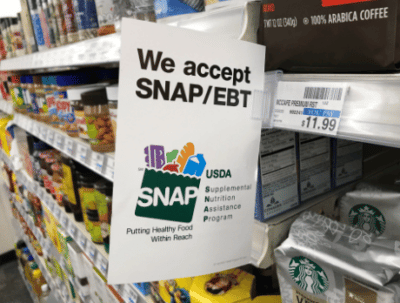
푸드 스탬프 보충영양지원프로그램(SNAP)은 이전에 푸드 스탬프로 알려졌으며, 저소득층 가구가 식품을 구매할 수 있도록 재정 지원을 제공합니다. …

어린이를 위한 여름 캠프, 프로그램 및 식품 지원
여름방학 동안 아이들이 어떻게 시간을 보낼지 고민이신가요? 무료 또는 저렴한 레크리에이션 프로그램을 이용하실 수 있습니다.

지원 프로그램 탐색
혜택 프로그램과 지원을 받는 방법에 대해 알아보세요.



유용
전기, 가스, 수도 요금 지원 프로그램.

구실
Free tax preparation help, software, tax credits
지원 프로그램 탐색
혜택 프로그램과 지원을 받는 방법에 대해 알아보세요.
유용
전기, 가스, 수도 요금 지원 프로그램
구실
Free tax preparation help, software, tax credits