
马里兰州回应:HR 1 变更方面的帮助
We're connecting Marylanders affected by federal H.R. 1 changes to food stamps (SNAP) and health care.
211 is here to help you find resources in communities throughout Maryland.
¿Habla español?


找食物
Food banks throughout Maryland provide pantry staples and sometimes vegetables.
这 211社区资源数据库 is the state's most comprehensive resource for food and other essential needs. Connect with food pantries and other food resources. Use these common searches to find what you need.
Enter a ZIP code to narrow results to areas nearby.
热门美食搜索
You can also find food pantries and maps for some counties statewide on our 县级页面.
211 的食品计划指南还列出了其他资源和支持。.

What's Changing with SNAP?
H.R. 1 changes eligibility requirements for the food stamp program, known as SNAP (Supplemental Nutrition Assistance Program).
Up to 80,000 additional Marylanders will need to report work hours to continue receiving benefits. Also, refugees, asylees, and other lawful immigrants now must have a Green Card to receive SNAP.
What are the work requirements?
If you must follow work requirements to receive SNAP benefits, you can earn hours by working, volunteering, or participating in a job training program.
The requirement is 20 hours per week (or 80 hours per month) or earning at least $217.50 per week from work. For minimum wage workers, this means you only need to work 14.5 hours a week to meet the requirement.
What changed with work requirements?
The number of people who are subject to work requirements changed under H.R. 1. Now, anyone aged 18 to 64 who does not have a child under 14 years old in the house is subject to the work rules. This includes previously exempt populations like Veterans, homeless individuals, and former foster youth who aged out of care and are under age 24.
There are exemptions for anyone who is in a substance use treatment program or who is mentally or physically unfit for employment, and for other situations.
I need help finding a job
If you need help finding a job, 211 has resources to help. Get connected on our job resource page.
I need information on my case
For specifics on your case, contact your local department of Social Services for help or call the Customer Service hotline at 1-800-332-6347.
I need help
Find local community resources by searching 211's Community Resource Database or using the food links above. You can also apply for benefits through Maryland Benefits. You can check eligibility by answering a few quick questions.

Get Help Finding Work
As SNAP requirements change, you may wonder what to do next. Free training and employment support can help eligible Marylanders build job skills, prepare for work, and meet employment requirements.
One option is the SNAP Employment & Training (SNAP E&T) program.
Who is eligible for SNAP E&T?
Marylanders age 16 and older may be eligible when they:
- Receive monthly SNAP benefits
- Do not receive Cash Assistance or Temporary Assistance for Needy Families (TANF)
- Are able to work after completing the program
What training is offered?
The free program runs for 12 to 16 weeks and offers training for jobs in:
- welding
- construction
- machine operation
- manufacturing
- 卫生保健
- hospitality
- computer technology/IT
After completing training, participants can also receive support finding a job and staying employed.

How SNAP E&T Training Can Help with Barriers to Employment
SNAP E&T programs help people work through challenges that can make it harder to find or keep a job. These may include limited work experience, transportation barriers, or a criminal record.
Depending on your needs, the program may connect you with other community services and resources. Support may also include help with transportation, work clothing, tools, or other items you need to start a job.
211 can also connect you with local programs and services that may help remove barriers to employment. Search for local resources.
Other Employment Programs
SNAP E&T is only one free job assistance program in Maryland. You can learn about others on the 211 employment resource page.
热门食品资源
在社区资源数据库中搜索附近可以提供食物援助的组织。以下是一些常用的搜索方法。点击下方符合需求的按钮,然后在结果页面输入邮政编码即可查找附近的地点。
Medicaid Changes
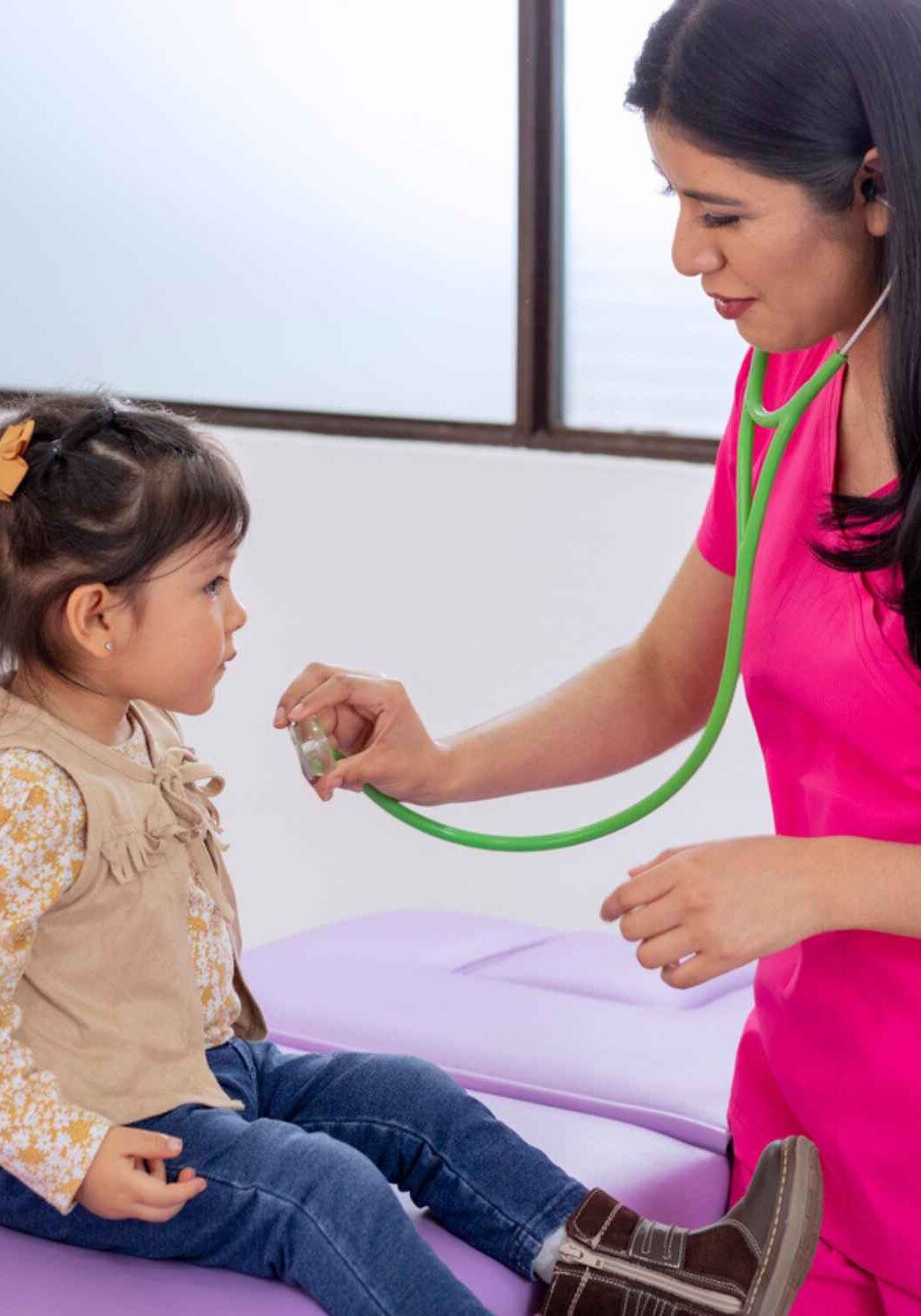
H.R. 1 also changes Medicaid eligibility rules. Some people now have work requirements, must renew twice a year, or may lose benefits. Some exemptions apply to these new rules.
What's changing for noncitizens?
Refugees, asylees, immigrants granted parole for at least one year, and certain noncitizen victims of abuse and trafficking may lose benefits.
To qualify for Medicaid and Maryland Children's Health Program, noncitizens must:
- Have a qualified noncitizen status
- Lawful Permanent Residents (LPR) - green card holders who meet or are exempt from the five-year waiting period
- Cuban/Haitian entrants
- Compact of Free Association (COFA) migrants - Citizens of the Marshall Islands, Micronesia, Palau who are living in a U.S. state or territory
- Wait five years after getting a qualified immigration status
The new rules will not apply to children under age 21 or pregnant adults. Noncitizen pregnant women, regardless of immigration status, may qualify for the Healthy Babies program within Medicaid.
Emergency Medicaid
Hospitals often provide financial help, so check with your local provider. Emergency Medicaid may also be available for those who qualify for Medicaid, except for their immigration status. It covers medically necessary care for an emergency room visit or hospital stay. Claims are subject to review for medical necessity.
Work Requirements
Starting in January 2027, work requirements will also apply to some Medicaid beneficiaries.
Individuals will need to work at least 80 hours a month:
- At a job earning at least $580 a month
- Volunteering
- Participating in job training programs
- Going to school, college, technical school, or taking GED classes
New applicants must meet these requirements in the month before applying for Medicaid. Exemptions apply to children, adults age 65 or older, pregnant people, caregivers of young people, individuals with disabilities, and individuals managing serious health conditions.
How to get help with Medicaid
Connect with Maryland Health Connection to find out if the changes impact you. You can:
- Log in to your Maryland Health Connection account.
- Use the eligibility check in.
- Call Maryland Health Connection at 855-642-8572
- Visit your 当地社会服务部.
Learn more about these changes and how they impact your situation.

Where to Get Health Care
If you lose access to health benefits, you may be able to get free or affordable health care from:
- your local health department
- a federally qualified health center
- local behavioral health authority for mental health services
基本生活需求方面的帮助

在巴尔的摩市寻找美食
在巴尔的摩市寻找食物?我们提供多种选择,包括食品杂货配送和农产品箱派发。立即开始巴尔的摩市免费食品计划 巴尔的摩市为受联邦政府停摆影响或因其他原因面临食品安全问题的人们提供资源和支持。农产品箱派发 居民……

马里兰州失业救济金
马里兰州非自身过错导致失业的员工可能有资格领取失业救济金。该计划提供临时失业保险 (UI) 福利,以补偿部分收入。在马里兰州,个人必须每周提交申请,并证明自己正在积极寻找工作。了解如何申请福利、获得健康保险……
查找附近的公用事业援助(暖气、电力、燃气、水、互联网)
需要帮助支付水电费,避免服务中断?这份水电费援助指南将帮助马里兰州居民理清有时令人困惑的各种援助项目。我们将解释如何申请、所需的证明文件以及需要避免的常见错误。您可以随时拨打 211 获取帮助,联系这些社区资源。搜索……
寻找紧急避难所、无家可归者援助和住房帮助
马里兰州各社区有很多住房项目,可以降低租金、支付押金、防止被驱逐,并提供紧急庇护。您可以在 211 社区资源数据库中搜索低收入住房项目,这些项目会向符合条件的家庭提供住房券,每月支付一部分租金。这些项目由当地住房机构运营。或者……

马里兰州家庭援助:儿童保育和福利计划
携手共进,我们可以帮助马里兰州的孩子们茁壮成长!无论您是家长、祖父母、监护人还是亲属,211 都能帮您联系到社区支持服务。无论是需要帮助照顾您照看的孩子,还是需要基本生活方面的帮助,当我们每个人都拥有健康所需的资源时,我们的社区才会更加强大。立即开始……

马里兰州免费食物指南
食品价格上涨给家庭和个人的食品预算带来了压力,211 可以帮助您联系食品援助项目。您可以开始搜索食品救济站,或继续阅读了解其他食品项目,包括食品优惠、老年人食品选择以及 SNAP 和 WIC 等食品援助项目。快速查找您附近的食品……