
Maryland Responds: Help for H.R. 1 Changes
We're connecting Marylanders affected by federal H.R. 1 changes to food stamps (SNAP) and Medicaid.
211 is here to help you find resources in communities throughout Maryland.
¿Habla español?

What's Changing with SNAP?
H.R. 1 changes eligibility requirements for the food stamp program, known as SNAP (Supplemental Nutrition Assistance Program).
Up to 80,000 additional Marylanders will need to report work hours to continue receiving benefits. Also, refugees, asylees, and other lawful immigrants now must have a Green Card to receive SNAP.
What are the work requirements?
If you must follow work requirements to receive SNAP benefits, you can earn hours by working, volunteering, or participating in a job training program.
To meet SNAP work requirements, individuals must either earn at least $217.50 per week from employment or spend at least 20 hours per week (80 hours per month) working, volunteering, or participating in a qualifying job training program.

What changed with work requirements?
The number of people who are subject to work requirements changed under H.R. 1. Now, anyone aged 18 to 64 who does not have a child under 14 years old in the house is subject to the work rules. This includes previously exempt populations like Veterans, homeless individuals, and former foster youth who aged out of care and are under age 24.
There are exemptions for anyone who is in a substance use treatment program or who is mentally or physically unfit for employment, and for other situations.
I need help finding a job
If you need help finding a job, 211 has resources to help. Get connected on our job resource page.
I need information on my case
For specifics on your case, contact your local Department of Social Services for help or call the Customer Service hotline at 1-800-332-6347.
I need help
Find local community resources by searching 211's Community Resource Database or using the food links below. Y
You can also apply for benefits through Maryland Benefits and determine eligibility by answering a few quick questions.
Popular Food Resources
Search the Community Resource Database for nearby organizations that can help with food. These are common searches to get started. Click the button below that fits the need, and then on the results page enter a ZIP code to find nearby locations.
Get Help Finding Work
As SNAP requirements change, you may wonder what to do next. Free training and employment support can help eligible Marylanders build job skills, prepare for work, and meet employment requirements.
One option is the SNAP Employment & Training (SNAP E&T) program.
Who is eligible for SNAP E&T?
Marylanders age 16 and older may be eligible when they:
- Receive monthly SNAP benefits
- Do not receive Cash Assistance or Temporary Assistance for Needy Families (TANF)
- Are able to work after completing the program
What training is offered?
The free program runs for 12 to 16 weeks and offers training for jobs in:
- welding
- construction
- machine operation
- manufacturing
- health care
- hospitality
- computer technology/IT
After completing training, participants can also receive support finding a job and staying employed.
How SNAP E&T Training Can Help with Barriers to Employment
SNAP E&T programs help people work through challenges that can make it harder to find or keep a job. These may include limited work experience, transportation barriers, or a criminal record.
Depending on your needs, the program may connect you with other community services and resources. Support may also include help with transportation, work clothing, tools, or other items you need to start a job.
211 can also connect you with local programs and services that may help remove barriers to employment. Search for local resources.
Other Employment Programs
SNAP E&T is only one free job assistance program in Maryland. You can learn about others on the 211 employment resource page.

Where to Get Health Care
If you lose access to health benefits, you may be able to get free or affordable health care from:
- your local health department
- a federally qualified health center
- local behavioral health authority for mental health services
Medicaid Changes
H.R. 1 also changes Medicaid eligibility rules. Some people now have work requirements, must renew twice a year, or may lose benefits. Some exemptions apply to these new rules.
What's changing for noncitizens?
Starting October 2026, refugees, asylees, immigrants granted parole for at least one year, and certain noncitizen victims of abuse and trafficking may lose benefits.
To qualify for Medicaid and Maryland Children's Health Program, noncitizens must:
- Have a qualified noncitizen status
- Lawful Permanent Residents (LPR) - green card holders who meet or are exempt from the five-year waiting period
- Cuban/Haitian entrants
- Compact of Free Association (COFA) migrants - Citizens of the Marshall Islands, Micronesia, Palau who are living in a U.S. state or territory
- Wait five years after getting a qualified immigration status
The new rules will not apply to children under age 21 or pregnant adults. Noncitizen pregnant women, regardless of immigration status, may qualify for the Healthy Babies program within Medicaid.
Emergency Medicaid
Hospitals often provide financial help, so check with your local provider. Emergency Medicaid may also be available for those who qualify for Medicaid, except for their immigration status. It covers medically necessary care for an emergency room visit or hospital stay. Claims are subject to review for medical necessity.
Work Requirements
Starting in January 2027, work requirements will also apply to some Medicaid beneficiaries.
Individuals will need to work at least 80 hours in one month:
- At a job earning at least $580 a month
- Volunteering
- Participating in job training programs
- Going to school, college, technical school, or taking GED classes
New applicants must meet these requirements in the month before applying for Medicaid. Exemptions apply to children, adults age 65 or older, pregnant people, caregivers of young people, individuals with disabilities, and individuals managing serious health conditions.
How to get help with Medicaid
Connect with Maryland Health Connection to find out if the changes impact you. You can:
- Log in to your Maryland Health Connection account.
- Use the eligibility check in.
- Call Maryland Health Connection at 855-642-8572
- Visit your local Department of Social Services.
Learn more about these changes and how they impact your situation.
Help with Essential Needs

Immigration Help For New Marylanders
Traduce esta sitio. Are you new to the United States or do you know someone who is? 211 Maryland is a one-stop resource for immigrants…

Find Food in Baltimore City
Looking for food in Baltimore City? There are several options available. Get started by finding a food pantry near your ZIP code. get started Free…

How Maryland Medicaid Works
Medicaid is available to individuals and families with limited income and resources, including pregnant women and some immigrants. Children up to age 19 may qualify…

Maryland Unemployment Benefits
Maryland employees who lose their job through no fault of their own may be eligible for unemployment benefits. The program provides temporary unemployment insurance (UI)…
Find Utility Assistance Near Me (Heat, Electric, Gas, Water, Internet)
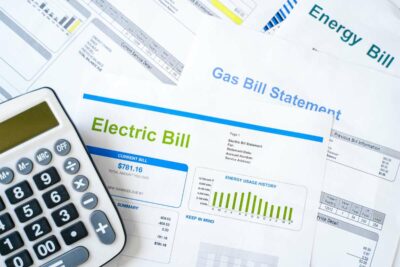
Get help paying a utility bill and avoid having your service cut off. This guide to utility assistance helps Marylanders navigate the sometimes confusing maze…
Find Emergency Shelter, Homeless Support & Get Housing Help
There are many housing programs in Maryland communities that reduce the cost of rent, cover security deposits, prevent eviction, and provide emergency shelter. Search the…

Help for Children and Families in Maryland
Family needs change as children grow. From baby supplies and child care to school support and everyday essentials, 211 Maryland connects parents, grandparents, and caregivers…

Maryland’s Guide to Free Food
Increasing food costs are stretching food budgets for families and individuals, and 211 is here to help connect you to food assistance programs. Start searching…
explore assistance programs
Learn about benefit programs and how to connect with support.


Housing
Rental payments, eviction prevention, homeless shelters.

Utilities
Electric, gas, and water bill assistance programs.

Taxes
Free tax preparation help, software, tax credits
explore assistance programs
Learn about benefit programs and how to connect with support.
Utilities
Electric, gas, and water bill assistance programs
Housing
Rental payments, eviction prevention, homeless shelters
Taxes
Free tax preparation help, software, tax credits