

التنقل بين القرابة: كيفية العثور على الدعم والتغلب على التحديات
Kinship care provides stability, safety, and support for children in a familiar environment. In Maryland, kinship navigation services can help families access benefits and support and manage any challenges.
Search for kinship navigation programs, or continue reading about ways to get support.



How does kinship work?
Many families are kinship caregivers and don't even know it, because it was at the request of the parent due to a serious hardship. So, it's an informal and temporary arrangement.
Kinship caregivers provide 24/7 care in the home of a relative or family by choice (non-relative). This keeps kids connected to their culture and community.
The child may be placed in a caregiver's home:
- at the request of the local Department of Social Services أو
- through an informal request from the child’s parent if they encounter a serious hardship
Kinship caregivers partner with the child and their biological parent.
That new relationship can challenge family dynamics and impact the child, parent, and the caregiver's family.
While the 24/7 care is supposed to be temporary, sometimes the kinship caregiver becomes part of the permanent solution by adopting the child or becoming their legal guardian.
Kinship navigators can help caregivers navigate the process and connect them to available resources and benefits. Nationally, kinship caregivers underutilize available benefits, often because they don't know they are a kinship caregiver or that resources and benefits exist.
Get Kinship Text Messages
Sign up for MDKinCares and learn about resources, programs, and get encouraging messages of support.
Kinship Navigation Help
Trina Townsend cared for her niece and nephew when they were teenagers. She thought of herself as an "aunt" before learning about the available benefits.
Trina Townsend, now the Kinship Program Specialist, joined the “What’s the 211?” podcast to discuss what it's like to be a kinship provider.
She went from being a single-parent family of two to a family of five. She remembers the challenges and concerns, hoping she could financially care for the children while also supporting their needs and those of her sister.
Now educating families and connecting them to support, Trina is a resource for all kinship families.
What Benefits Are Available?
Kinship navigators are available to help families navigate assistance programs.
You can dial 211 and get connected to a kinship navigator. They are knowledgeable about kinship benefits and community resources that can offer support.
The child may be eligible for:
- Temporary Cash Assistance/Child Only Grant
- food stamps/Supplemental Nutrition Assistance Program
- child care
- التأمين الصحي
- مساعدة المرافق
- Social Security benefits
Learn about each of these benefit programs in 211's Kinship 101 Guide.

Information for Kinship Families
211 Maryland can connect kinship families to information and resources to address essential needs. Dial 211 to talk with someone.


Community Resources for Kinship Caregivers
Kinship caregivers keep children connected to family and culture, so it can be a very positive experience. Connect with resources and support to navigate kinship.
Community organizations throughout Maryland are available to help.
Virtual and Home Visits
In Prince George’s County, you can contact the مركز التقدم للحياة, a private care organization that provides kinship support. Virtual and home visits are available for emotional support, guidance, and they also provide access to counseling and financial assistance.
Video training
ال المركز التعاوني لبناء قدرات رعاية الطفل video series helps families learn from others who have overcome kinship challenges for the benefit and well-being of the child.
ال Annie E. Casey Foundation offers a training series with tips to help with feelings of loss and ambivalence when a relative comes to live with you. The training series also tackles important themes like guilt, hope, and denial.
وضع دائم
While kinship care is temporary, the placement with a kinship caregiver can last longer than expected. Kinship caregivers should plan for that possibility.
Local kinship navigator can also help to find a path forward, temporarily and permanently, for the child.
If the child is in foster care, the Department of Social Services will work to find a permanent solution. If the child can’t return to their biological parents, the kinship caregiver can become the permanent legal guardian through adoption, legal custody, or guardianship.

اطلب 211
تحدث مع شخص حنون وعطوف على مدار الساعة. يمكنه أيضًا مساعدتك في الوصول إلى الموارد.

Navigating Challenges: Family Dynamics
Depending on the circumstances leading up to the temporary living arrangement, kinship may challenge family dynamics.
This can include the child, kinship caregiver, and biological parent(s).
- The child may need support managing stress or help to heal from trauma.
- The living arrangement can interrupt the caregiver’s plans, priorities, and privacy.
- قد يضطر الوالدان ومقدم الرعاية إلى مواجهة المشاعر الصعبة مثل الشعور بالذنب والعار والغضب وعدم الثقة والاستياء والخسارة.
It can also erode trust within the family. The biological parent may have to earn back the relative’s trust to once again care for the child.
Both the parent and kinship caregiver may also find it challenging to respect boundaries, as these are new or have changed.
The caregiver should help the parent find the support they need to heal, with the ultimate goal of returning the child to the parent’s care when possible.
What can you do?
As the kinship caregiver, you should be prepared to help the parent get the therapy, counseling, or support they need.
يتم تشجيع الوالدين ومقدمي الرعاية ذوي القرابة على:
- الاستماع ودعم بعضنا البعض.
- كن صادقًا بشأن الاحتياجات والمخاوف.
- أظهر التعاطف تجاه تحديات الآخر.
- الاعتراف بالصعوبات لجميع المعنيين.
Also, dial 211 and talk to a trained professional who can help connect you to kinship resources and community support.
Other Resources for Kinship Families

رعاية القرابة بولاية ماريلاند 101: ما هي وكيف تساعد
Caring for a relative’s child or family by choice (non-relative) makes a difference! Even if it’s an informal arrangement, this 24/7 care is kinship care…

دعم الأطفال والعائلات
Together, we can help Maryland’s children thrive! Whether you’re a parent, grandparent, caregiver, or kinship family, 211 is here to connect you to community supports.…

كيف يساعد برنامج WIC في ماريلاند النساء والرضع والأطفال في الحصول على الطعام
يوفر برنامج WIC قسائم غذائية للأمهات الحوامل المؤهلات، والأمهات الجدد المرضعات، والأطفال حتى سن الخامسة. تعرف على الأهلية وتواصل مع...

Maryland’s Guide to Free Food
Increasing food costs are stretching food budgets for families and individuals, and we’re here to help you learn about food assistance programs. Start searching for…
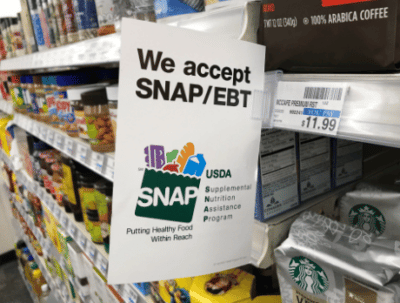
برنامج طوابع ميريلاند الغذائية / المساعدة الغذائية التكميلية (SNAP)
طوابع الطعام: يُقدّم برنامج المساعدة الغذائية التكميلية (SNAP)، المعروف سابقًا باسم طوابع الطعام، مساعدة مالية للأسر ذات الدخل المحدود لتمكينها من شراء الطعام.

المخيمات الصيفية والبرامج والدعم الغذائي للأطفال
هل تتساءل كيف تُبقي طفلك منشغلاً خلال عطلته الصيفية؟ تتوفر برامج ترفيهية مجانية أو منخفضة التكلفة في...

ابحث عن الموارد الآن
يجد موارد المجتمع للطعام، الرعاية الصحية، السكن، وغيرها في قاعدة بياناتنا. ابحث حسب الرمز البريدي.
استكشاف برامج المساعدة
تعرف على برامج الاستفادة وكيفية الاتصال بالدعم.

طعام
طعام مجاني بالقرب مني، مخازن الطعام، برنامج SNAP، برنامج WIC، توفير البقالة.

الإسكان
دفع الإيجار، ومنع الإخلاء، وملاجئ المشردين.

خدمات
برامج المساعدة في دفع فواتير الكهرباء والغاز والمياه.

الضرائب
Free tax preparation help, software, tax credits
استكشاف برامج المساعدة
تعرف على برامج الاستفادة وكيفية الاتصال بالدعم.
طعام
طعام مجاني بالقرب مني، مخازن، برنامج SNAP، برنامج WIC، توفير في البقالة
خدمات
برامج المساعدة في دفع فواتير الكهرباء والغاز والمياه
الإسكان
مدفوعات الإيجار، ومنع الإخلاء، وملاجئ المشردين
الضرائب
Free tax preparation help, software, tax credits