
¿Cuidas al hijo de un familiar en casa las 24 horas del día, los 7 días de la semana? Contáctanos y te ayudaremos a encontrar recursos.

Navegación de parentesco: cómo encontrar apoyo y superar los desafíos
El cuidado por parte de familiares proporciona estabilidad, seguridad y apoyo a los niños en un entorno familiar. En Maryland, los servicios de orientación para familias de acogida pueden ayudarlas a acceder a beneficios y apoyo, así como a afrontar cualquier dificultad.
Estamos conectando a familias de acogida con servicios y apoyo. Responda algunas preguntas sobre cómo podemos ayudarle y acceda a recursos y apoyo para su situación. La encuesta nos ayudará a identificar necesidades en todo el estado y a fortalecer los programas. ¡Ayúdenos a ayudarle!



¿Cómo funciona el parentesco?
Muchas familias se convierten en cuidadores de parientes sin siquiera saberlo, porque fue a petición de los padres debido a una grave dificultad. Por lo tanto, se trata de un arreglo informal y temporal.
Los cuidadores familiares brindan atención las 24 horas del día, los 7 días de la semana, en el hogar de un pariente o de una familia elegida (no familiar). Esto permite que los niños se mantengan conectados con su cultura y comunidad.
El niño puede ser colocado en el hogar de un cuidador:
- a petición del Departamento de Servicios Sociales local o
- mediante una solicitud informal de los padres del niño si se encuentran en una situación de grave dificultad.
Los cuidadores familiares colaboran con el niño y su padre o madre biológicos.
Esa nueva relación puede poner a prueba la dinámica familiar y tener un impacto en el niño, el padre o la madre y la familia del cuidador.
Si bien se supone que la atención las 24 horas del día, los 7 días de la semana, es temporal, a veces el cuidador familiar pasa a formar parte de la solución permanente al adoptar al niño o convertirse en su tutor legal.
Los asesores familiares pueden ayudar a los cuidadores a comprender el proceso y conectarlos con los recursos y beneficios disponibles. A nivel nacional, los cuidadores familiares no aprovechan al máximo los beneficios disponibles, a menudo porque desconocen su condición de cuidadores familiares o la existencia de dichos recursos y beneficios.
Recibe mensajes de texto de parentesco
Regístrate en MDKinCares y descubre recursos, programas y recibe mensajes de apoyo alentadores.
Ayuda para la navegación de parentesco
Trina Townsend cuidó de su sobrina y su sobrino cuando eran adolescentes. Se consideraba una "tía" antes de informarse sobre las prestaciones disponibles.
Trina Townsend, ahora especialista del programa de acogimiento familiar, participó en el podcast “What's the 211?” para hablar sobre cómo es ser un proveedor de servicios de acogimiento familiar.
Pasó de ser madre soltera de dos hijos a tener una familia de cinco. Recuerda los desafíos y las preocupaciones, con la esperanza de poder mantener económicamente a sus hijos y, al mismo tiempo, cubrir sus necesidades y las de su hermana.
Actualmente, Trina se dedica a educar a las familias y a conectarlas con el apoyo necesario, convirtiéndose así en un recurso para todas las familias de acogida.
¿Qué beneficios están disponibles?
Los asesores familiares están disponibles para ayudar a las familias a acceder a los programas de asistencia.
Puedes llamar al 211 y comunicarte con un asesor de apoyo familiar. Ellos conocen los beneficios para familiares y los recursos comunitarios que pueden brindarte ayuda.
El niño puede tener derecho a:
- Ayuda económica temporal/Subvención solo para niños
- Cupones de alimentos/Programa de Asistencia Nutricional Suplementaria
- cuidado de los niños
- seguro de salud
- asistencia de servicios públicos
- prestaciones de la Seguridad Social
Infórmese sobre cada uno de estos programas de beneficios en la Guía de Parentesco 101 del 211.
Ayúdanos a ayudarte
Los familiares que cuidan a niños a su cargo a menudo desconocen que estos tienen derecho a prestaciones. Responda a unas preguntas sobre su situación y le pondremos en contacto con recursos y apoyo locales.
Esta información también nos ayudará a identificar las necesidades de los cuidadores familiares para reforzar su apoyo.

Información para familias de parentesco
El 211 de Maryland conecta a familias de acogida con información y recursos para cubrir necesidades básicas. Llame al 211 para hablar con alguien.


Recursos comunitarios para cuidadores familiares
Los cuidadores familiares mantienen a los niños conectados con su familia y cultura, por lo que puede ser una experiencia muy positiva. Conéctese con recursos y apoyo para desenvolverse en el cuidado familiar.
Existen organizaciones comunitarias en todo Maryland dispuestas a ayudar.
Visitas virtuales y a domicilio
En el condado de Prince George, puede ponerse en contacto con el Centro de Vida Progresista, una organización privada de atención que brinda apoyo a familiares. Ofrecen visitas virtuales y a domicilio para brindar apoyo emocional, orientación y acceso a asesoramiento y asistencia financiera.
Formación en vídeo
Él Centro colaborativo de desarrollo de capacidades de bienestar infantil Esta serie de vídeos ayuda a las familias a aprender de otras que han superado dificultades relacionadas con el parentesco, en beneficio y bienestar del niño.
Él Fundación Annie E. Casey Ofrece una serie de capacitaciones con consejos para afrontar los sentimientos de pérdida y ambivalencia cuando un familiar se muda a vivir contigo. La serie también aborda temas importantes como la culpa, la esperanza y la negación.
Colocación Permanente
Si bien el cuidado por parte de familiares es temporal, la estancia con un cuidador familiar puede prolongarse más de lo previsto. Los cuidadores familiares deben prever esta posibilidad.
El orientador familiar local también puede ayudar a encontrar una solución, tanto temporal como permanente, para el niño.
Si el niño está bajo cuidado tutelar, el Departamento de Servicios Sociales trabajará para encontrar una solución permanente. Si el niño no puede regresar con sus padres biológicos, el familiar que lo cuida puede convertirse en su tutor legal permanente mediante la adopción, la custodia legal o la tutela.

Marque 211
Habla con una persona atenta y compasiva las 24 horas, los 7 días de la semana. También puede ponerte en contacto con recursos.

Cómo afrontar los desafíos: Dinámica familiar
Dependiendo de las circunstancias que lleven a la convivencia temporal, el parentesco puede poner en entredicho la dinámica familiar.
Esto puede incluir al niño, al cuidador familiar y a los padres biológicos.
- Es posible que el niño necesite apoyo para controlar el estrés o ayuda para recuperarse de un trauma.
- La situación de convivencia puede interferir en los planes, las prioridades y la privacidad del cuidador.
- Los padres y el cuidador pueden tener que enfrentarse a sentimientos desafiantes como culpa, vergüenza, ira, desconfianza, resentimiento y pérdida.
También puede erosionar la confianza dentro de la familia. El padre o la madre biológicos tal vez tengan que ganarse de nuevo la confianza de los familiares para poder cuidar del niño otra vez.
Tanto el padre o la madre como el cuidador familiar pueden tener dificultades para respetar los límites, ya que estos son nuevos o han cambiado.
El cuidador debe ayudar al progenitor a encontrar el apoyo que necesita para recuperarse, con el objetivo final de que el niño regrese al cuidado de los padres cuando sea posible.
¿Qué puedes hacer?
Como cuidador familiar, debes estar preparado para ayudar al padre o la madre a obtener la terapia, el asesoramiento o el apoyo que necesita.
Se alienta a los padres y a los parientes cuidadores a:
- Escucharnos y apoyarnos unos a otros.
- Sea honesto acerca de las necesidades y preocupaciones.
- Mostrar empatía hacia los desafíos de los demás.
- Reconocer las dificultades de todos los involucrados.
Además, llame al 211 y hable con un profesional capacitado que podrá ayudarle a conectarse con recursos de apoyo familiar y comunitario.
Otros recursos para familias de parentesco

Maryland Kinship Care 101: qué es y cómo ayuda
¿Cuidas en casa al hijo de un familiar las 24 horas del día, los 7 días de la semana? Cuéntanos y te ayudaremos a encontrar recursos. Responde la encuesta…

Ayuda para familias de Maryland: Programas de cuidado infantil y beneficios
¡Juntos podemos ayudar a que los niños de Maryland prosperen! Ya sea usted padre, abuelo, cuidador o familiar, el 211 está aquí para conectarlo con los recursos comunitarios.

Cómo ayuda WIC de Maryland a mujeres, bebés y niños con alimentos
WIC ofrece cupones de alimentos a futuras mamás elegibles, nuevas mamás lactantes y niños de hasta 5 años. Infórmese sobre la elegibilidad y conéctese con…

Guía de Maryland para obtener comida gratis
Maryland’s Guide to Free Food Increasing food costs are stretching food budgets for families and individuals, and 211 is here to help connect you to…
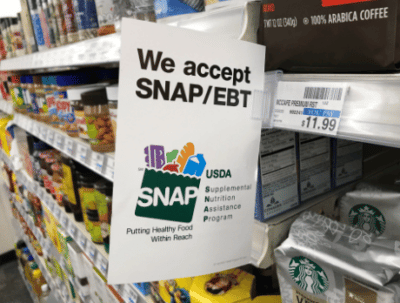
Estampillas para alimentos de Maryland/Programa de Asistencia Nutricional Suplementaria (SNAP)
Cupones de Alimentos. El Programa de Asistencia Nutricional Suplementaria (SNAP), antes conocido como cupones de alimentos, brinda asistencia financiera a hogares de bajos ingresos para que puedan comprar alimentos. Para…

Campamentos de verano, programas y apoyo alimentario para niños
¿Te preguntas cómo mantener a tu hijo/a entretenido/a durante las vacaciones de verano? Hay varias opciones para encontrar un campamento juvenil. Empieza con la base de datos de 211…

Encuentre recursos ahora
Encontrar recursos comunitarios Para alimentación, salud, vivienda y más en nuestra base de datos. Busque por código postal.
explorar programas de asistencia
Obtenga información sobre los programas de beneficios y cómo conectarse con el apoyo.

Alimento
Comida gratis cerca de mí, despensas, SNAP, WIC, ahorros en comestibles.

Alojamiento
Pagos de alquiler, prevención de desalojos, refugios para personas sin hogar.

Utilidades
Programas de asistencia con facturas de electricidad, gas y agua.

Impuestos
Ayuda gratuita para la preparación de impuestos, software, créditos fiscales
explorar programas de asistencia
Obtenga información sobre los programas de beneficios y cómo conectarse con el apoyo.
Alimento
Comida gratis cerca de mí, despensas, SNAP, WIC, ahorros en comestibles
Utilidades
Programas de asistencia para facturas de electricidad, gas y agua
Alojamiento
Pagos de alquiler, prevención de desalojos, refugios para personas sin hogar
Impuestos
Ayuda gratuita para la preparación de impuestos, software, créditos fiscales