Èske w ap pran swen pitit yon fanmi lakay ou 24/7? Fè nou konnen epi n ap ede w konekte ak resous yo.

Navigasyon fanmi: Ki jan yo jwenn sipò ak simonte defi(ouvri nan yon nouvo onglet)
Swen fanmi bay estabilite, sekirite, ak sipò pou timoun yo nan yon anviwònman familye. Nan Maryland, sèvis navigasyon fanmi ka ede fanmi yo jwenn aksè a benefis ak sipò epi jere nenpòt defi.
N ap konekte fanmi ki gen rapò ak fanmi yo ak sèvis ak sipò. Reponn kèk kesyon sou kijan nou ka ede w, epi konekte w ak resous ak sipò pou sitiyasyon w lan. Sondaj la ap ede nou idantifye bezwen atravè eta a, epi ranfòse pwogram yo. Ede nou ede w!



Kijan fanmi fonksyone?
Anpil fanmi se moun kap bay swen nan men paran yo epi yo pa menm konnen sa, paske se te sou demann paran an akoz yon gwo difikilte. Kidonk, se yon aranjman enfòmèl ak tanporè.
Moun kap bay swen nan fanmi yo bay swen 24 sou 24, 7 jou sou 7, lakay yon fanmi oswa yon fanmi yo chwazi (ki pa fanmi). Sa kenbe timoun yo konekte ak kilti ak kominote yo.
Yo ka mete timoun nan lakay yon moun k ap pran swen l:
- sou demann Depatman Sèvis Sosyal lokal la oswa
- atravè yon demann enfòmèl nan men paran timoun nan si yo rankontre yon gwo difikilte
Moun ki pran swen timoun nan nan fanmi an ap fè patenarya ak timoun nan ansanm ak paran byolojik li.
Nouvo relasyon sa a ka mete dinamik familyal yo an defi epi gen enpak sou timoun nan, paran an, ak fanmi moun k ap pran swen l lan.
Malgre ke swen 24 sou 24 a sipoze tanporè, pafwa moun k ap pran swen an nan fanmi an vin fè pati solisyon pèmanan an lè li adopte timoun nan oswa lè li vin gadyen legal li.
Navigatè fanmi yo ka ede moun kap bay swen yo navige nan pwosesis la epi konekte yo ak resous ak benefis ki disponib yo. Nan tout peyi a, moun kap bay swen nan fanmi yo pa itilize ase benefis ki disponib yo, souvan paske yo pa konnen yo se yon moun kap bay swen nan fanmi oswa ke resous ak benefis egziste.
Jwenn Mesaj Tèks Fanmi
Enskri pou MDKinCares epi aprann sou resous, pwogram, epi resevwa mesaj ankourajan ak sipò.
Èd pou Navigasyon Fanmi
Trina Townsend te pran swen nyès li ak neve li lè yo te adolesan. Li te konsidere tèt li kòm yon "matant" anvan li te aprann sou benefis ki disponib yo.
Trina Townsend, kounye a Espesyalis Pwogram Fanmi an, te rantre nan podcast "Ki sa ki 211 la?" pou diskite sou sa sa ye pou yon moun ki bay sèvis fanmi.
Li te pase de yon fanmi selibatè ak de moun pou rive nan yon fanmi senk moun. Li sonje defi ak enkyetid yo, li te espere ke li te kapab pran swen timoun yo finansyèman tout pandan l ap sipòte bezwen yo ak bezwen sè li a.
Kounye a, Trina ap edike fanmi yo epi konekte yo ak sipò, li se yon resous pou tout fanmi ki gen rapò ak fanmi.
Ki benefis ki disponib?
Navigatè fanmi yo disponib pou ede fanmi yo navige nan pwogram asistans yo.
Ou ka rele 211 epi mete w an kontak ak yon navigatè fanmi. Yo gen konesans sou benefis fanmi ak resous kominotè ki ka ofri sipò.
Timoun nan ka kalifye pou:
- Èd Lajan Kach Tanporè/Sibvansyon pou Timoun Sèlman
- koupon manje/Pwogram Asistans Nitrisyonèl Siplemantè
- gadri timoun
- asirans sante
- asistans sèvis piblik
- Benefis Sekirite Sosyal yo
Aprann plis sou chak pwogram benefis sa yo nan Gid Fanmi 101 211 la.
Ede nou ede w
Moun k ap pran swen timoun nan fanmi souvan pa reyalize timoun ki anba swen yo kalifye pou benefis yo. Reponn kèk kesyon sou sitiyasyon w ap bay swen an, epi n ap mete w an kontak ak resous ak sipò lokal yo.
Enfòmasyon an ap ede nou idantifye bezwen pami moun k ap bay swen nan fanmi an pou ranfòse sipò yo.

Enfòmasyon pou Fanmi Fanmi yo
211 Maryland ka konekte fanmi ki gen rapò ak fanmi yo ak enfòmasyon ak resous pou adrese bezwen esansyèl yo. Rele 211 pou pale ak yon moun.


Resous Kominotè pou Moun k ap Bay Swen Fanmi
Moun k ap pran swen timoun nan fanmi an kenbe kontak ak fanmi ak kilti timoun yo, kidonk li kapab yon eksperyans trè pozitif. Konekte ak resous ak sipò pou navige nan relasyon fanmi an.
Gen òganizasyon kominotè toupatou nan Maryland ki disponib pou ede.
Vizit Vityèl ak Vizit Lakay
Nan Konte Prince George la, ou ka kontakte Sant Lavi Pwogresis, yon òganizasyon swen prive ki bay sipò familyal. Vizit vityèl ak lakay disponib pou sipò emosyonèl, konsèy, epi yo bay aksè tou a konsèy ak asistans finansyè.
Fòmasyon videyo
La Sant Kolaboratif pou Bati Kapasite pou Byennèt Timoun Seri videyo a ede fanmi yo aprann nan men lòt moun ki te simonte defi fanmi pou benefis ak byennèt timoun nan.
La Fondasyon Annie E. Casey ofri yon seri fòmasyon ak konsèy pou ede ak santiman pèt ak anbivalans lè yon fanmi vin viv avèk ou. Seri fòmasyon an abòde tou tèm enpòtan tankou kilpabilite, espwa ak refi.
Plasman pèmanan
Malgre ke swen familyal la tanporè, plasman an ak yon moun kap bay swen familyal ka dire pi lontan pase sa yo te prevwa. Moun kap bay swen familyal yo ta dwe planifye pou posiblite sa a.
Navigatè fanmi lokal la kapab ede tou jwenn yon chemen pou timoun nan pi devan, tanporèman ak pou tout tan.
Si timoun nan nan yon fanmi akèy, Depatman Sèvis Sosyal la ap travay pou jwenn yon solisyon pèmanan. Si timoun nan pa ka retounen al jwenn paran byolojik li yo, moun ki nan fanmi an ka vin gadyen legal pèmanan an atravè adopsyon, gad legal, oswa titèl.
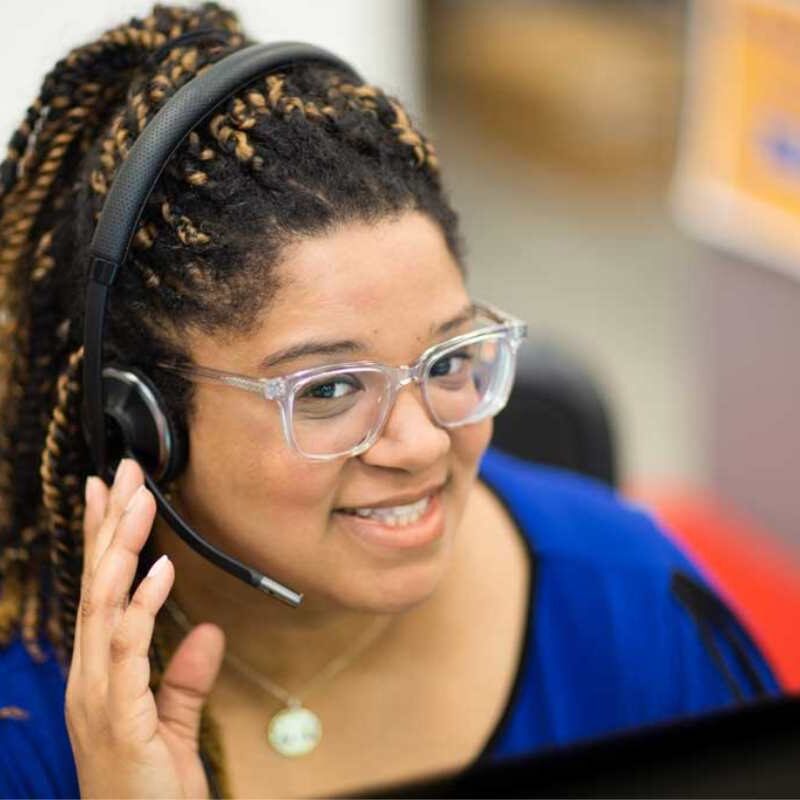
Rele 211
Pale ak yon moun ki gen sousi pou ou epi ki gen konpasyon 24 sou 24, 7 jou sou 7. Yo kapab tou mete ou an kontak ak resous.
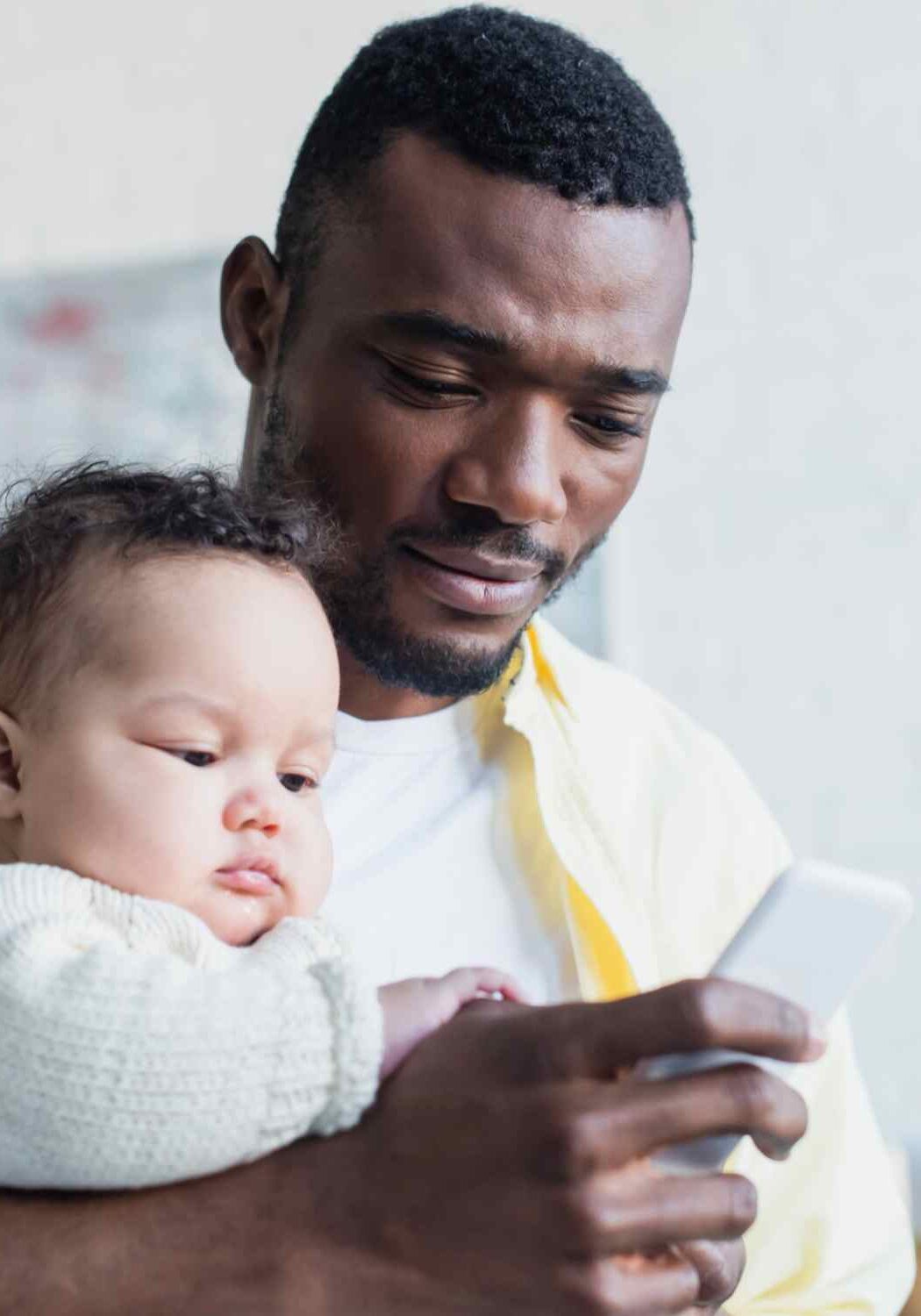
Navige Defi yo: Dinamik Fanmi yo
Selon sikonstans ki mennen nan aranjman lojman tanporè a, lyen fanmi an ka mete an dout dinamik familyal la.
Sa ka gen ladan timoun nan, moun ki nan fanmi an k ap pran swen l lan, ak paran byolojik(yo).
- Timoun nan ka bezwen sipò pou jere estrès oswa èd pou geri apre yon chòk.
- Aranjman lojman an ka entèwonp plan, priyorite ak vi prive moun k ap bay swen an.
- Paran yo ak moun k ap bay swen yo ka oblije konfwonte santiman difisil tankou koupab, wont, kòlè, defyans, resantiman, ak pèt.
Li kapab tou febli konfyans nan fanmi an. Paran byolojik la ka oblije reprann konfyans fanmi an pou l ka pran swen timoun nan ankò.
Ni paran an ni moun k ap pran swen timoun nan ka jwenn li difisil tou pou respekte limit, paske limit yo nouvo oswa yo chanje.
Moun k ap pran swen timoun nan ta dwe ede paran an jwenn sipò li bezwen pou l geri, ak objektif final la pou retounen timoun nan anba swen paran an lè sa posib.
Kisa ou ka fè?
Antanke moun k ap pran swen timoun nan nan fanmi an, ou ta dwe prepare pou ede paran an jwenn terapi, konsèy, oswa sipò li bezwen an.
Yo ankouraje paran an ak moun k ap pran swen fanmi an pou yo:
- Koute epi sipòte youn lòt.
- Ou dwe onèt sou bezwen ak enkyetid.
- Montre senpati youn anvè defi lòt.
- Rekonèt difikilte pou tout moun ki enplike.
Epitou, rele 211 epi pale ak yon pwofesyonèl ki resevwa fòmasyon ki ka ede w jwenn resous pou fanmi ak sipò kominotè.
Lòt Resous pou Fanmi Fanmi yo

Maryland Kinship Care 101: Ki sa li ye ak kijan li ede
Èske w ap pran swen pitit yon fanmi lakay ou 24 sou 24, 7 jou sou 7? Fè nou konnen epi n ap ede w jwenn resous ki disponib yo. Patisipe nan Sondaj la...

Èd pou Fanmi Maryland yo: Pwogram Gadri ak Benefis
Ansanm, nou ka ede timoun Maryland yo reyisi! Kit ou se yon paran, yon granparan, yon moun k ap pran swen timoun, oswa yon fanmi pwòch, 211 la pou konekte ou ak sipò kominotè a...
Kijan Maryland WIC ede fanm, tibebe ak timoun ak manje
WIC bay koupon manje pou manman ki kalifye pou vin manman, nouvo manman k ap bay tete, ak timoun ki gen jiska 5 an. Aprann sou kalifikasyon epi konekte ak...

Gid Maryland pou Manje Gratis
Ogmantasyon pri manje yo ap limite bidjè manje pou fanmi yo ak moun yo, epi 211 la pou ede w konekte ak pwogram asistans manje yo. Kòmanse chèche...
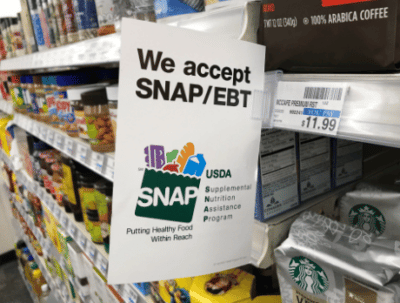
Koupon pou Manje Maryland/Pwogram Asistans Nitrisyon Siplemantè (SNAP)
Koupon Manje Pwogram Asistans Nitrisyonèl Siplemantè (SNAP), ke yo te konnen anvan kòm koupon manje, bay asistans finansyè pou fanmi ki gen ti revni pou yo ka achte manje. Pou...

Kan Lete, Pwogram ak Sipò Manje pou Timoun yo
Èske w ap mande tèt ou kijan pou w kenbe pitit ou okipe pandan vakans ete a? Gen plizyè opsyon pou jwenn yon kan pou jèn yo. Kòmanse avèk baz done 211 la...

Jwenn Resous Kounye a(ouvri nan yon nouvo onglet)
Jwenn resous kominotè yo pou manje, swen sante, lojman ak plis ankò nan baz done nou an. Chèche pa kòd postal.
eksplore pwogram asistans yo
Aprann plis sou pwogram benefis yo ak kijan pou kontakte sipò.

Manje
Manje gratis tou pre mwen, gadmanje, SNAP, WIC, ekonomi sou makèt.
Lojman
Peman lwaye, prevansyon ekspilsyon, abri pou moun ki san kay.

Sèvis piblik yo
Pwogram asistans pou bòdwo elektrisite, gaz ak dlo.
Enpo
Èd gratis pou prepare taks, lojisyèl, kredi taks
eksplore pwogram asistans yo
Aprann plis sou pwogram benefis yo ak kijan pou kontakte sipò.
Manje
Manje gratis tou pre mwen, gadmanje, SNAP, WIC, ekonomi sou makèt
Sèvis piblik yo
Pwogram asistans pou bòdwo elektrisite, gaz ak dlo
Lojman
Peman lwaye, prevansyon ekspilsyon, abri pou moun ki san kay
Enpo
Èd gratis pou prepare taks, lojisyèl, kredi taks