Èske w ap pran swen pitit yon fanmi lakay ou 24/7? Fè nou konnen epi n ap ede w konekte ak resous yo.

Maryland Kinship Care 101: Ki sa li ye ak kijan li ede(ouvri nan yon nouvo onglet)
Pran swen pitit yon fanmi oswa fanmi yon moun paske w chwazi l (yon moun ki pa fanmi) fè yon diferans! Menm si se yon aranjman enfòmèl, swen 24 sou 24 sa a se swen familyal lè fanmi an oswa yon moun ki pa fanmi entèvni pou ede pandan yon difikilte paran yo.
Gid sa a sou swen fanmi ede moun Maryland yo konprann swen fanmi ak benefis ki disponib yo. Anpil fanmi ap fè yon diferans nan fason sa a epi yo pa reyalize ke gen benefis ki disponib pou ede yo antanke yon fanmi fanmi!
Kòmanse pa chèche resous oubyen kontinye defile pou li plis enfòmasyon sou pwogram ki anba yo.



Ki sa ki se swen fanmi?
Nan Maryland, swen familyal se lè yon fanmi oswa yon fanmi, pa chwa li (ki pa fanmi), pran swen yon timoun ki pa byolojik 24 sou 24, 7 jou sou 7, lakay yo.
Swen tanporè sa a deyò lakay la rele swen fanmi.
Li kenbe timoun yo nan yon anviwònman familyal familye epi konekte ak kominote ak kilti yo.
Apwòch Fanmi-An Premye Maryland lan
Maryland nan ""Fanmi an Premye"" Apwòch sa a konsantre sou mete timoun yo ak fanmi oswa zanmi pwòch lè yon paran pa ka pran swen pitit li a akòz yon gwo difikilte.
Anba kilti "fanmi an premye" a, lè yon timoun antre nan yon fanmi akèy, Depatman Sèvis Sosyal la ap eseye jwenn yon moun ki nan fanmi an pou pran swen l. Yo prefere chwa sa a paske li bati sou relasyon ki deja egziste ak lyen familyal yo. Abitye sa a avèk moun yo ak anviwònman an bay yon tranzisyon fasil pou timoun nan kontinye devlope epi pwospere.
Kalite Swen fanmi
Gen moun k ap bay swen fanmi fòmèl ak enfòmèl.
Fòmèl
Avèk Kinship Care (fòmèl), Depatman Sèvis Sosyal lokal la mete yon timoun ki vin nan atansyon yo ak yon moun k ap pran swen fanmi. Fanmi an kenbe gad epi li bay swen 24/7.
Enfòmèl
Avèk Swen Fanmi Enfòmèl, yon fanmi oswa yon granmoun ki pa fanmi bay swen ak gad timoun nan akòz gwo difikilte familyal. Gad legal pa obligatwa, epi timoun nan pa anba swen, gad oswa titèl Depatman Sèvis Sosyal lokal la.
Si yon manman, yon papa, oswa yon gadyen legal ap fè fas ak yon gwo difikilte, yo ka mete pitit yo nan yon sistèm swen familyal enfòmèl. Se yon aranjman pou yon timoun ki pa anba swen, gad, oswa gadyen legal Depatman Sèvis Sosyal lokal la.
Ki sa ki yon gwo difikilte?
Sikonstans ki kalifye yo enkli difikilte grav sa yo:
- Abandone
- Anprizone yon paran
- Lanmò paran yo
- Maladi grav
- Abandone paran yo
- Itilizasyon sibstans
- Devwa militè aktif
Konekte pou jwenn èd
Patisipe nan sondaj sou fanmi nou an epi konekte ak resous ak sipò lokal yo. Lè w idantifye w kòm yon moun kap bay swen nan fanmi an, w ap ede nou pi byen konprann bezwen yo atravè eta a pou ranfòse pwogram ak sipò pou fanmi ki nan fanmi an.
Jwenn Mesaj Enfòmasyon sou Fanmi
Enskri pou MDKinCares epi resevwa mesaj sipò enfòmatif ak ankourajan.
Pwogram Benefis pou Fanmi Fanmi
Moun k ap pran swen fanmi yo souvan pa rann kont timoun ki anba swen yo elijib pou benefis yo.
Pou egzanp, la Fondasyon Annie E. Casey fè remake ke 88% moun ki bay swen nan fanmi pa itilize Asistans Tanporè pou Fanmi ki nan Bezwen (TANF), menm si prèske tout kalifye.
Nou la pou nou mete ou an kontak ak pwogram benefis sa yo.
Nan Maryland, gen plizyè fason pou aplike pou pwogram benefis yo:
- Sou entènèt: Benefis Maryland yo (ansyen MyMDTHINK)
- Vizite: Depatman Sèvis Sosyal Lokal la
- Rele: 1-833-373-5867
Si ou pa sèten si ou kalifye, gen yon solisyon rapid Sondaj 5 minit sou Benefis Maryland pou jwenn benefis ki disponib pou fanmi ou.
Benefis ki disponib
Kandida yo ka kalifye pou benefis sa yo:
- Èd Lajan Kach Tanporè (TCA)
- Pwogram Asistans Tanporè pou Fanmi ki nan Bezwen (TANF) nan Maryland
- Sibvansyon pou Timoun Sèlman
- Pansyon alimantè pou timoun
- Pwogram Asistans Nitrisyonèl Siplemantè/Kupon ManjeSNAP)
- Pwogram Bousdetid pou Gadri Timoun (CCS)
- Medicaid-Medical Assistance (MA) se yon pwogram leta ki bay pwoteksyon sante pou moun ki bezwen èd selon laj, avèg, andikap, bezwen medikal, oswa k ap viv nan yon mezon retrèt.
- Asistans sèvis piblik
Tout aplikasyon yo fèt atravè Maryland Benefits. Gen lòt benefis ki disponib, men aplikasyon yo trete atravè lòt sistèm gouvènman an.
Maryland Health Connection
Yo bay benefis sante pou timoun ki gen pi gwo revni epi ki pa gen asirans jiska laj 19 an atravè Pwogram Sante Timoun Maryland (MCHP).
Administrasyon Sekirite Sosyal
Nan ka yon paran ki mouri oswa ki andikape pou yon timoun ki sou kont ou, ou ka kalifye pou benefis sivivan oswa Revni Sekirite Siplemantè (SSI). Aplike nan Administrasyon Sekirite Sosyal la.
211 kapab ede tou moun kap bay swen nan fanmi enfòmèl yo jwenn resous nan kominote a, tankou sipò sante mantal, gadmanje, asistans pou lojman, ak plis ankò.

Ki moun ki ka bay swen familyal?
Swen familyal se yon aranjman pou viv aplentan avèk yon fanmi oswa yon moun ki gen yon relasyon ki dire lontan avèk timoun nan oswa fanmi an. Moun k ap pran swen timoun nan nan fanmi an pran swen l, sipòte l epi pwoteje l jiskaske yo jwenn yon solisyon pèmanan.
Fanmi
Nan Maryland, yon paran fanmi kapab yon moun ki gen rapò pa san oswa maryaj. Sa kapab:
- granparan
- matant/tonton
- kouzen
- frè ak sè
- yon lòt fanmi
Fanmi pa chwa (ki pa fanmi)
Anplis de sa, paran ki nan fanmi an ka gen yon relasyon ki dire lontan avèk timoun nan oswa fanmi an. Sa a rele fanmi pa chwa (ki pa fanmi). Sa ka yon:
- zanmi fanmi pwòch
- parèn/parènn
- vwazen
- pwofesè
- manm legliz
- paran byolojik frè ak sè yon timoun
Kijan fanmi ede timoun nan?
Relasyon fanmi kapab yon eksperyans pozitif paske li kenbe timoun nan konekte ak fanmi li ak kilti li.
Aranjman lojman sa yo sipòte byennèt timoun nan nan fason sa yo:
- Bay estabilite.
- Bay yon anviwònman ki an sekirite.
- Bay timoun nan tan pou l geri.
- Diminye estrès epi minimize chòk.
- Fè li pi fasil pou ajiste/tranzisyon an.
- Mwens deranje lavi chak jou – akademik, sosyal ak emosyonèl.
- Ede timoun nan devlope – nan devlopman, sosyalman, emosyonèlman ak nan konpòtman.
- Prezève idantite kiltirèl.
- Ankouraje lyen ant frè ak sè.
- Kenbe epi ranfòse koneksyon familyal yo.
- Diminye santiman pèt ak separasyon.
- Ede timoun nan santi li fè pati gwoup la, paske se yon anviwònman ak moun li ye deja.
- Ranfòse rezistans timoun nan ak paran an.
Malgre ke gen anpil aspè pozitif, relasyon sa yo ka mete dinamik familyal yo an defi. Konekte ak resous ak sipò ki ka ede nan sitiyasyon sa yo.
Afidavit Fanmi
Yo ka bezwen afidavit pou enskripsyon lekòl oswa pou swen medikal pou timoun nan.
Afidavi Swen Sante
Konsantman pou afidavi sou swen sante a pèmèt moun k ap pran swen fanmi an jwenn swen sante pou timoun nan swen an. Timoun nan ka oswa pa gen dwa nan gad DSS la.
Edikasyon Yon Timoun Nan Swen Parente
Si yon timoun ki gen laj lekòl anba swen fanmi, li ka ale lekòl piblik kote l ap viv la. Avèk swen fanmi enfòmèl (ki pa enplike sèvis sosyal), fanmi k ap pran swen an dwe ranpli yon afidavit ki temwaye sou gwo difikilte paran byolojik la te sibi.
Afidavit pou edikasyon pou Timoun ki anba Swen Fanmi Enfòmèl la pèmèt fanmi enfòmèl k ap pran swen timoun nan enskri timoun nan lekòl epi sèvi kòm defansè ak pwen kontak li.

Kijan Pou Jwenn Èd Fanmi(ouvri nan yon nouvo onglet)
Chèche nan Baz Done Resous Kominotè 211 la pou jwenn resous familyal ak lòt bezwen esansyèl tankou manje ak lojman.
Antre yon kòd postal epi jwenn resous ki tou pre.
Ki jan ou fè konnen si fanmi an bon pou ou?
Gen anpil benefis nan swen fanmi.
La Biwo Timoun yo, yon biwo Administrasyon pou Timoun ak Fanmi, sijere ou poze tèt ou kesyon tankou sa yo pou asire ke li se pi bon desizyon pou ou, fanmi ou ak timoun nan:
- Èske ou ka pran swen timoun ki pa pwòp ou a?
- Èske w vle pran swen timoun sa yo?
- Ki jan li pral afekte fanmi ou?
- Èske swen sa a pral gen yon enpak negatif sou sante mantal oswa emosyonèl ou?
- Èske w ap ede w jwenn yon kay pèmanan pou timoun nan? Sa ka lakay ou, reyinifikasyon ak paran yo oswa yon lòt opsyon.
- Èske ou ka sipòte bezwen sosyal, devlopman, akademik ak medikal timoun nan?
- Èske w ka amelyore devlopman sosyal ak fizik timoun nan?
- Ki sipò w ap bezwen pou asire swen sa a?
Sipò Fanmi: MDKinCares
La Depatman Sèvis Imen Maryland ak 211 Maryland gen yon nouvo fason pou konekte ak granparan ak fanmi k ap pran swen yon timoun paran yo pa kapab oswa pa vle elve yo.
MDKinCare bay:
- Aksè rapid nan enfòmasyon ak resous kominote yo.
- Ankouraje mesaj sipò.
Tèks MDKinCares nan 898211
Sou mobil, ou ka klike bouton an.
*211 Maryland ofri pwogram alèt mesaj tèks ki bay enfòmasyon sou resous espesifik rejyon yo oswa ki bay alèt pou katastwòf. Msg. & done pousantaj yo ka aplike ak msg. frek. ka varye. Pou Èd, ekri HELP. Pou refize, ekri STOP nan menm nimewo a. Tèm konplè SMS nan https://211md.org/sms/ pral aplike tou.

Lòt Enfòmasyon pou Fanmi Fanmi yo

Navigasyon fanmi: Ki jan yo jwenn sipò ak simonte defi
Èske w ap pran swen pitit yon fanmi lakay ou 24 sou 24, 7 jou sou 7? Fè nou konnen epi n ap ede w jwenn resous ki disponib yo. Patisipe nan Sondaj la...
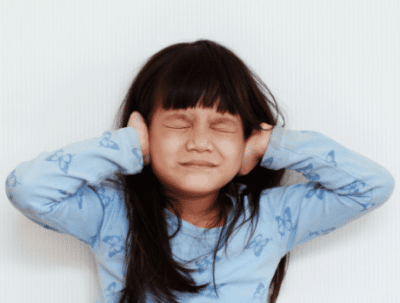
Jwenn èd ak konpòtman timoun yo
Pran swen timoun se youn nan travay ki pi enpòtan, e pafwa ki pi difisil. Elve timoun mande pasyans, enèji ak sipò. Li fasil...
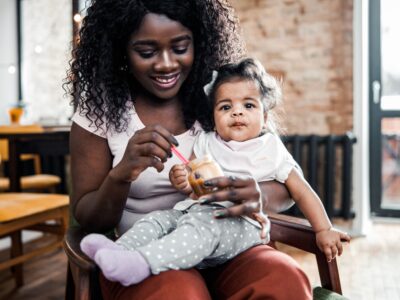
Kijan Maryland WIC ede fanm, tibebe ak timoun ak manje
WIC bay koupon manje pou manman ki kalifye pou vin manman, nouvo manman k ap bay tete, ak timoun ki gen jiska 5 an. Aprann sou kalifikasyon epi konekte ak...

Èd pou Fanmi Maryland yo: Pwogram Gadri ak Benefis
Ansanm, nou ka ede timoun Maryland yo reyisi! Kit ou se yon paran, yon granparan, yon moun k ap pran swen timoun, oswa yon fanmi pwòch, 211 la pou konekte ou ak sipò kominotè a...

Jwenn Swen Sante gratis ak bon mache
Èske w ap chèche yon klinik sante gratis oswa a pri abòdab oswa yon lòt resous medikal? Sèvis sante yo ka gen ladan yo tès depistaj prevantif, tès laboratwa, swen pou matènite,...

Gid Maryland pou Manje Gratis
Ogmantasyon pri manje yo ap limite bidjè manje pou fanmi yo ak moun yo, epi 211 la pou ede w konekte ak pwogram asistans manje yo. Kòmanse chèche...

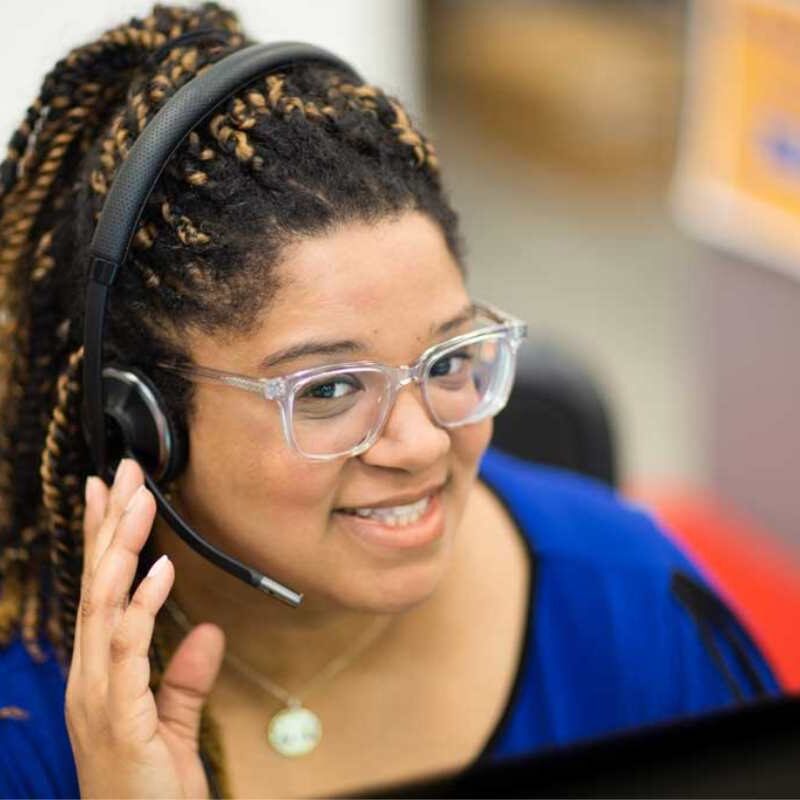
Rele 211
Pale ak yon moun ki gen sousi pou ou epi ki gen konpasyon 24 sou 24, 7 jou sou 7. Yo kapab tou mete ou an kontak ak resous.
eksplore pwogram asistans yo
Aprann plis sou pwogram benefis yo ak kijan pou kontakte sipò.

Manje
Manje gratis tou pre mwen, gadmanje, SNAP, WIC, ekonomi sou makèt.
Lojman
Peman lwaye, prevansyon ekspilsyon, abri pou moun ki san kay.
Sèvis piblik yo
Pwogram asistans pou bòdwo elektrisite, gaz ak dlo.
Enpo
Èd gratis pou prepare taks, lojisyèl, kredi taks
eksplore pwogram asistans yo
Aprann plis sou pwogram benefis yo ak kijan pou kontakte sipò.
Manje
Manje gratis tou pre mwen, gadmanje, SNAP, WIC, ekonomi sou makèt
Sèvis piblik yo
Pwogram asistans pou bòdwo elektrisite, gaz ak dlo
Lojman
Peman lwaye, prevansyon ekspilsyon, abri pou moun ki san kay
Enpo
Èd gratis pou prepare taks, lojisyèl, kredi taks