
Prevenire le avversità infantili
Ogni bambino merita un buon inizio, e questo inizia dalle esperienze che vive a casa, a scuola e nella sua comunità. Le esperienze dell'infanzia, sia positive che negative, plasmano il cervello in via di sviluppo del bambino.
Quando i bambini affrontano gravi avversità senza un adeguato supporto, ciò può avere effetti duraturi sulla loro salute e sul loro benessere.
Ecco perché è necessario l'impegno di tutti per creare spazi sicuri e accoglienti in cui i bambini possano crescere e prosperare, a prescindere dalle difficoltà che la vita riserva loro.
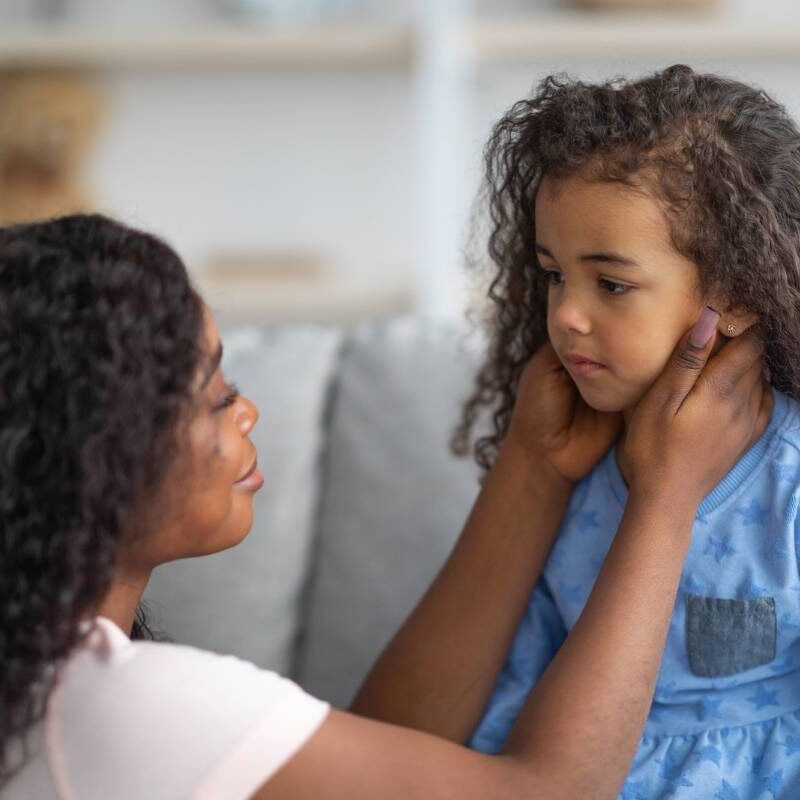

Perché le avversità infantili sono importanti?
Esperienze e ambienti infantili avversi sono comuni. Includono cose come assistere alla violenza o subire discriminazioni.
Se i bambini non ricevono sostegno quando affrontano le avversità, ciò può causare danni a lungo termine, minando la salute emotiva e fisica dei bambini.
I bambini possono tollerare uno stress intenso se esistono relazioni stabili e attente con gli adulti, in grado di attutire l'impatto negativo.
Ma quando i bambini sono esposti a gravi avversità prolungate e gli adulti non sono presenti per aiutarli ad affrontarle, i loro sistemi di risposta allo stress possono iperattivarsi. Questa "risposta tossica allo stress" aumenta il rischio di problemi di salute in età successiva.

In che modo le avversità precoci possono influenzare i bambini
Uno studio innovativo condotto negli anni '90 ha rivelato la forte correlazione tra eventi gravi e negativi vissuti durante l'infanzia e la salute fisica e mentale delle persone in età adulta.
Il Studio sulle Esperienze Avverse dell’Infanzia (ACE). Abbiamo chiesto agli adulti di descrivere gli eventi difficili che avevano vissuto prima dei 18 anni e poi abbiamo esaminato le conseguenze sulla loro salute in età adulta.
Alcuni risultati sono in linea con quanto ci si potrebbe aspettare.
Ad esempio, le persone che avevano subito abusi o negligenze durante l'infanzia avevano maggiori probabilità di sviluppare problemi di salute mentale in età adulta.
Ma altri risultati sono stati sorprendenti.
La consapevolezza che prima una persona sperimenta avversità, maggiore è la
l'effetto che ebbe nella vita successiva.
Un evento grave accaduto durante l'infanzia sembra aver avuto poche o nessuna conseguenza a lungo termine.
Impatti sulla salute
Esperienze infantili multiple aumentano il rischio di problemi di salute in età adulta. Ad esempio, i bambini che hanno vissuto quattro esperienze avverse hanno il doppio delle probabilità di ricevere una diagnosi di cancro rispetto a quelli che non hanno avuto esperienze significative di traumi infantili.
Sebbene esista una connessione tra le avversità precoci e la salute in età adulta, è importante notare che le avversità e gli impatti sulla salute a lungo termine sono non inevitabile. Ci sono cose che tutti noi possiamo fare - come individui, adulti e comunità - per prevenire le esperienze infantili avverse e favorire la guarigione.
Continuate ad approfondire l'argomento delle ACE (Adverse Childhood Experiences, esperienze avverse infantili) grazie ai nostri partner di Maryland Essentials for Childhood.
Le avversità sono comuni?
Se tu o tuo figlio avete affrontato gravi avversità, non siete soli. La maggior parte delle persone nel Maryland ha sperimentato almeno una forma di avversità entro l'età adulta.
Secondo il Consiglio statale del Maryland sull'abuso e la negligenza sui minori, circa un residente su quattro del Maryland ha subito tre o più esperienze infantili avverse (ACE).
Cosa possiamo fare?
Le esperienze che i bambini vivono nei primi anni di vita possono influenzare la loro salute per tutta la vita. Offrendo esperienze positive, possiamo attenuare l'impatto di quelle negative. Immaginate una bilancia in cui si bilanciano esperienze positive e negative.
Creare esperienze positive
Per accumulare esperienze positive, possiamo tutti concentrarci su:
- Creare relazioni sicure, stabili e affettuose con i bambini che fanno parte della nostra vita.
- Sosteniamoci a vicenda e utilizziamo i servizi di supporto per i genitori presenti nella comunità, così ci sentiamo sicuri di avere qualcuno al nostro fianco.
- Collegare le famiglie a risorse come il 211.
- Sostenere la nostra salute mentale.
- Creazione esperienze positive dell'infanzia. Queste esperienze positive gettano le basi per una vita felice e sana. Questa infografica mostra come possiamo rafforzare la resilienza dei bambini e delle famiglie del Maryland.
Concentrati sulla tua relazione
Ognuno di noi ha il potere di fare la differenza nella vita di un bambino. Relazioni sicure, stabili e affettuose possono fungere da contrappeso, aiutandoci a far pendere la bilancia verso risultati positivi e resilienti.
Questi rapporti possono essere con un genitore, un tutore, un nonno, una zia, uno zio, un allenatore, un mentore, un vicino o un amico.
Si tratta di piccole cose quotidiane che tutti possiamo fare per sostenere i bambini. Amici, parenti, vicini e allenatori possono essere presenti e di supporto anche per i bambini che non sono i loro figli.
- Concentrati sull'essere presente e coinvolto.
- Divertitevi, ridete e giocate con il bambino.
- In caso di preoccupazioni, è importante sostenere il bambino piuttosto che cercare di "risolvere" la situazione.
Questa connettività aiuta a proteggerli da eventuali situazioni avverse. Aiuta i bambini a sentirsi amati, apprezzati e consapevoli di ciò che li circonda. Crea inoltre un senso di scopo e di appartenenza, contribuendo a sviluppare la resilienza nei bambini e negli adulti delle nostre comunità.
Non devi essere perfetto. Concentrati sulla costanza e ottieni supporto per sviluppare queste competenze con il Brain-Building Toolkit, fornito dai nostri partner di Maryland Essentials for Childhood.


Chiama o invia un SMS se hai bisogno di aiuto
Una comunità di supporto è pronta ad aiutarti, ovunque tu sia nel tuo percorso.
Chiama uno di questi numeri, attivo 24 ore su 24, 7 giorni su 7, per ricevere assistenza:
-
Bisogni essenziali - Chiama il 211
Parla con uno specialista dell'informazione e dell'orientamento che può identificare programmi e risorse per aiutarti. Che si tratti di trovare un dispensa del cibo, aiuto con affitto o assistenza all'infanzia - Il 211 può metterti in contatto con i servizi essenziali. Se hai bisogno di qualcos'altro, cerca tutte le risorse.
-
Aiuto per i genitori - Chiama il numero 1-800-243-7337
Chiama la linea telefonica di assistenza per genitori del Maryland per ottenere risposte alle tue domande sull'educazione dei figli.
-
Salute mentale - Chiama o invia un SMS al 988
La linea di assistenza per la prevenzione del suicidio e le crisi offre supporto per la salute mentale e l'abuso di sostanze 24 ore su 24, 7 giorni su 7.
Supporto testo per adolescenti
L'adolescenza è un periodo di grandi opportunità. Puoi fare la differenza e plasmare il loro futuro durante questa fase di scoperta.
Se il tuo adolescente ha bisogno di aiuto, mettilo in contatto con MDYoungMinds. Si tratta di un programma di messaggistica informativa che offre supporto per le problematiche più comuni tra gli adolescenti e promuove la salute mentale.
Iscriviti inviando un SMS a MDYoungMinds al numero 898-211.
Gli adolescenti possono anche utilizzare la hotline 988 per un supporto immediato. Le chat online sono disponibili in inglese e spagnolo.
Unisciti a un gruppo di sostegno familiare tra pari
Anche le famiglie possono usufruire del supporto tra pari. Specialisti del supporto
Aiutare le famiglie a orientarsi tra i servizi, ascoltare le loro preoccupazioni, partecipare alle riunioni con la famiglia, spiegare i diritti, creare connessioni e offrire opportunità di apprendimento e sensibilizzazione.
Contatta la Maryland Coalition of Families (MCF) per metterti in contatto gratuitamente con uno specialista di supporto tra pari per le famiglie.
Chiama il 410-730-8267 e premi 1 per assistenza immediata. Puoi anche contattare l'assistenza locale. specialista del supporto tra pari nella tua contea.
MCF offre anche gruppi di supporto in tutto lo stato per dolore, uso di sostanze, supporto tra pari e altro ancora. Trova un gruppo di supporto nel Maryland Per genitori, tutori o giovani adulti.
Sono inoltre disponibili risorse per diverse problematiche di salute mentale come traumi, ADHD e depressione nel Kit di risorse familiari Children's Mental Health Matters, disponibile in inglese e spagnolo.
Scopri di più su altri supporto alla genitorialità che sono disponibili quando hai bisogno di parlare, ottenere risposte a domande o hai bisogno di aiuto. gestire il comportamento di un bambino.

Trova risorse ora(si apre in una nuova scheda)
Trovare risorse della comunità per cibo, assistenza sanitaria, alloggio e altro ancora nel nostro database. Cerca per codice postale.
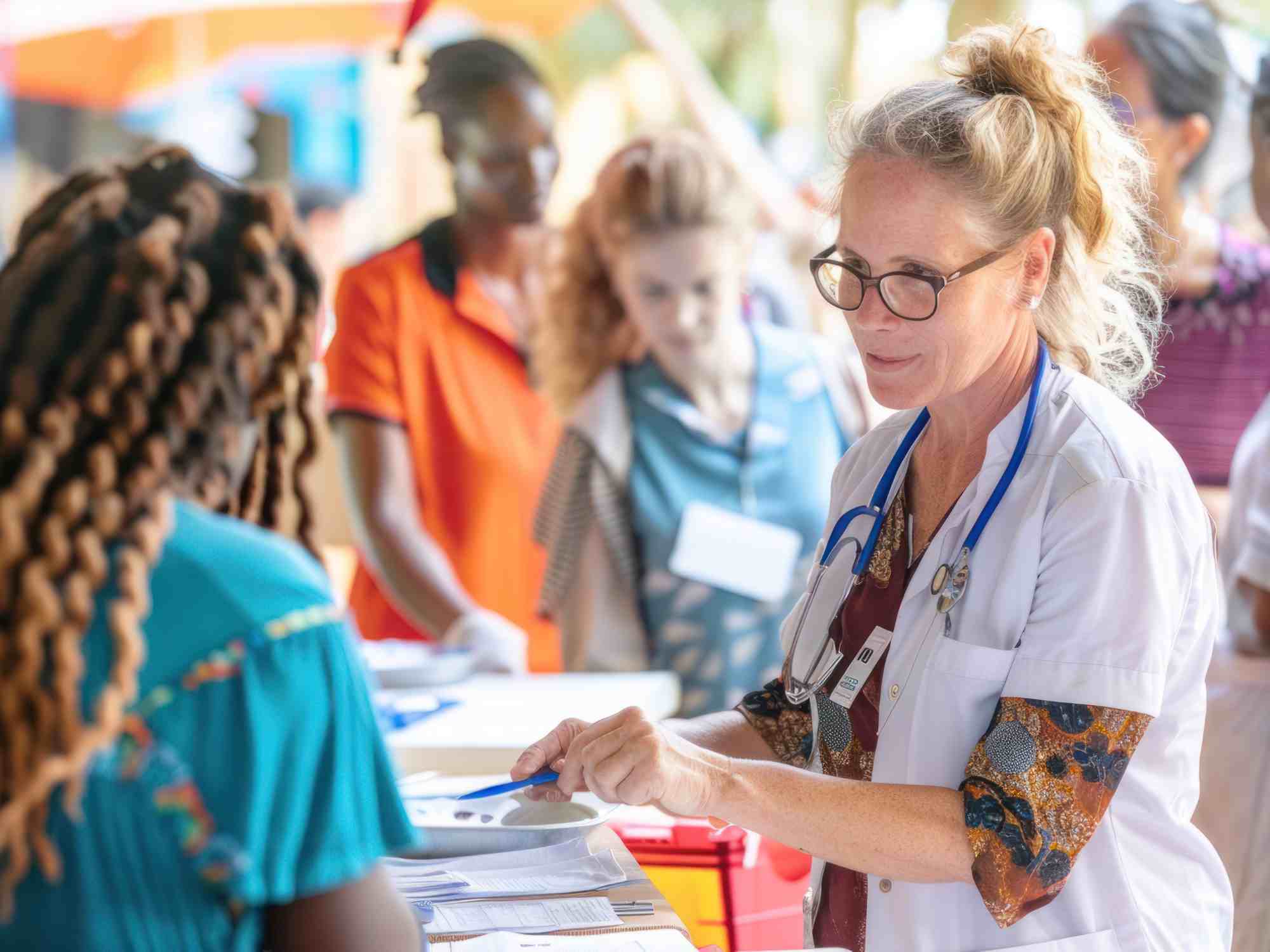
Insieme, possiamo fare la differenza.
Per attutire l'impatto delle avversità infantili non basta una sola persona o un solo programma. Ci vuole l'impegno di tutti noi, comprese le comunità in cui lavoriamo, viviamo e ci divertiamo.
Comunità come Contea di Harford si stanno unendo per creare ambienti auto-guaribili che riducano l'incidenza di esperienze infantili avverse. Springboard Community Services sta collaborando con la contea a questa iniziativa e ne ha parlato su Cos'è il 211? podcast. Ascolta e impara.
Quando lavoriamo insieme per rafforzare le famiglie, costruire legami e creare spazi sicuri e stimolanti per ogni bambino, non stiamo solo costruendo resilienza, ma stiamo costruendo un futuro migliore.
Potrebbero interessarti anche questi articoli
-
Ottenere aiuto con i comportamenti dei bambini
Prendersi cura dei bambini è uno dei lavori più importanti, e a volte più impegnativi, che esistano. Crescere i figli richiede pazienza, energia e sostegno. È facile…
-
Dove andare per supporto genitoriale nel Maryland
Essere genitori è un compito impegnativo e nessuno è fatto per farlo da solo. C'è una comunità pronta a offrire supporto. Scegli ciò che preferisci…
-
Campi estivi, programmi e sostegno alimentare per i bambini
Vi state chiedendo come tenere occupato vostro figlio durante le vacanze estive? Esistono diverse opzioni per trovare un campo estivo per ragazzi. Iniziate consultando il database del 211…



esplorare i programmi di assistenza
Scopri di più sui programmi di assistenza e su come contattare il supporto.

Cibo
Cibo gratis vicino a me, dispense, SNAP, WIC, risparmi sulla spesa.

Abitazione
Pagamento degli affitti, prevenzione degli sfratti, rifugi per senzatetto.

Utilità
Programmi di assistenza per le bollette di elettricità, gas e acqua.

Le tasse
Assistenza gratuita per la compilazione della dichiarazione dei redditi, software e crediti d'imposta.
esplorare i programmi di assistenza
Scopri di più sui programmi di assistenza e su come contattare il supporto.
Cibo
Cibo gratis vicino a me, dispense, SNAP, WIC, risparmi sulla spesa
Utilità
Programmi di assistenza per le bollette di elettricità, gas e acqua
Abitazione
Pagamenti di affitto, prevenzione degli sfratti, rifugi per senzatetto
Le tasse
Assistenza gratuita per la compilazione della dichiarazione dei redditi, software e crediti d'imposta.