5

预防童年逆境

Every child deserves a strong start, and that starts with the experiences they have at home, at school, and in their communities. Childhood experiences, both good and bad, shape a child’s developing brain.

When children face serious adversity without enough support, it can have lasting effects on their health and well-being.

That’s why it takes all of us to create safe, supportive spaces where children can thrive, no matter what life throws their way.

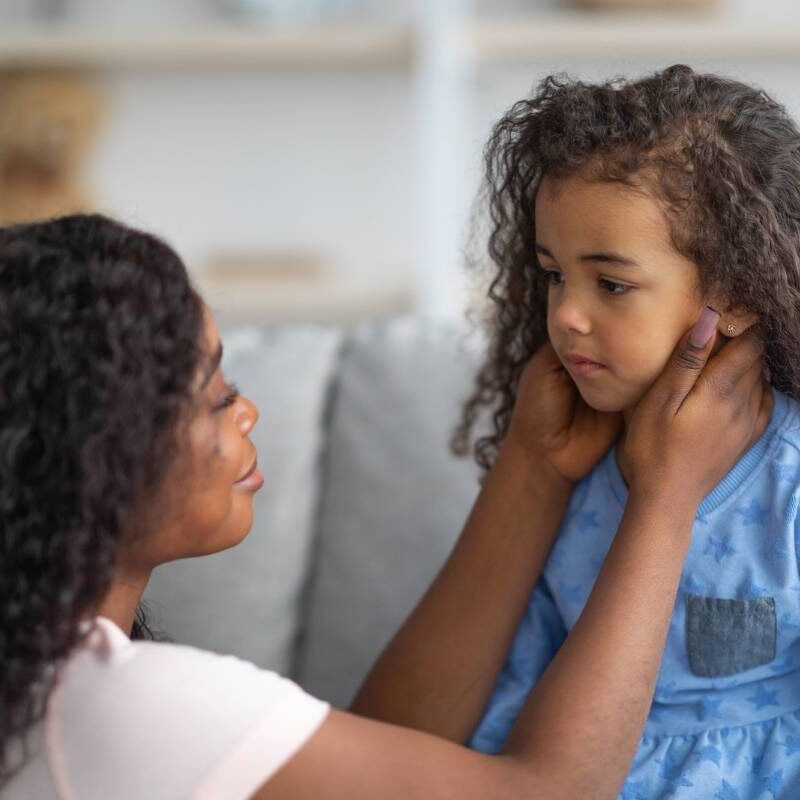
妈妈在逆境中安慰女儿,抓着她的脸
16

为什么童年逆境很重要?

不良的童年经历和环境很常见。其中包括目睹暴力或经历歧视等事情。

如果儿童在面临逆境时得不到支持,可能会造成长期伤害,损害儿童的情感和身体健康。

Children can tolerate severe stress if stable, responsive adult relationships are in place to buffer the negative impact.

But when children are exposed to prolonged severe adversity, and adults aren't there to help them cope, their stress systems can over-activate. This "toxic stress response" increases the risk of later health problems.

Child holding adult hand

How Early Adversity Can Impact Children

A groundbreaking study in the 1990s revealed the powerful relationship between serious, negative events in childhood and people’s physical and mental health in adulthood.

不良童年经历(ACE)研究 asked adults about the difficult events they experienced before the age of 18 and then examined their health outcomes later in life.

Some findings fit with what we might expect.

For example, people who had experienced abuse or neglect as kids were more likely to have mental health challenges as adults.

But other findings were surprising.

The realization that the earlier the adversity a person experienced, the greater the
effect it had in later life.

One serious event in childhood seemed to have few or no long-term consequences.

Health impacts

Multiple ACEs increased the risk of health problems in adulthood. For example, children who experienced four adverse experiences were twice as likely to be diagnosed with cancer than those who had no significant experiences of childhood trauma.

While there is a connection between early adversity and one’s adulthood health, it’s important to note that adversity and long-term health impacts are 不是 inevitable. There are things we can all do - as individuals, grown-ups, and communities - to prevent ACEs and support healing.

Keep learning about ACEs from our partners at Maryland Essentials for Childhood.

逆境常见吗?

If you or your child have faced serious adversity, you are not alone. Most people in Maryland have experienced at least one form of adversity by the time they are adults.

About 1 in 4 Maryland residents have experienced 3 or more ACEs, according to The Maryland State Council on Child Abuse & Neglect.

What Can We Do?

The experiences children have early in life can shape their lifelong health. By providing positive experiences, we can buffer the impacts of adverse ones. Think of it like a scale where you’re balancing the positive and negative experiences.

Create positive experiences

To stack on the positive experiences, we can all focus on:

  • Creating safe, stable, and nurturing relationships with the children in our lives.
  • Supporting each other and using community supports for parents, so we feel like we have someone in our corner.
  • Connecting families to resources like 211.
  • Supporting our mental health.
  • Creating positive childhood experiences. These positive experiences lay the foundation for a happy and healthy life. This infographic shows how we can build resilience for Maryland's children and families.

Focus On Your Relationship

We all have the power within us to make a difference in a child's life. Safe, stable, and nurturing relationships can serve as counterbalances to help our scales tip toward resilient outcomes.

Those relationships can be with a parent, caregiver, grandparent, aunt, uncle, coach, mentor, neighbor, or friend.

These are everyday things that we can all do to support children. Friends, relatives, neighbors, and coaches can show up and be present for children who are not their own, too.

  • Focus on being present and engaged.
  • Have fun, laugh, and play with the child.
  • When there are concerns, support the child rather than trying to "fix" the situation.

This connectivity helps buffer against any adverse situations. It helps children feel loved, appreciated, and aware of their surroundings. It also creates a sense of purpose and belonging, helping to calibrate resilience for children and adults in our communities.

You don't have to be perfect. Focus on consistency, and get support for building these skills in the Brain-Building Toolkit, provided by our partners at Maryland Essentials for Childhood.

baseball coach supporting team
new mom on phone

Call or Text if you need help

A community of support is waiting to help wherever you are in your journey.

Call any of these numbers 24/7 to get connected to support:

  • Essential Needs - Dial 211

    Speak with an information and referral specialist who can identify programs and resources to help you. Whether that's finding a 备餐间(为储藏食物,对食物作简单处理的地方, help with 或者 child care - 211 can connect you to essential needs. If you need something else, search all resources.

  • Parenting Help - Call 1-800-243-7337

    Call the Maryland Parenting Hotline to get answers to parenting questions.

  • Mental Health - Call or text 988

    The Suicide & Crisis Lifeline offers 24/7 mental health and substance use support

青少年文本支持

Adolescence is a time of great opportunity. You can make a difference and shape their futures during this time of discovery.

If your teen needs help, connect them with MDYoungMinds. It's an informational texting program that provides support for common teen concerns and supports mental health.

通过发送短信 MDYoungMinds 至 898-211 进行注册。

Teens can also use the 988 hotline for immediate support. Online chats are available in 英语西班牙语.

加入家庭同伴支持小组

Families can also use peer support. Support specialists

help families navigate services, listen to concerns, attend meetings with the family, explain rights, make connections, and provide learning and outreach opportunities.

Contact the Maryland Coalition of Families (MCF) to connect with a family peer support specialist for free.

Call 410-730-8267 and press 1 for immediate support. You can also contact the local peer support specialist in your county.

MCF 还在全州范围内提供支持小组,以应对悲伤、药物滥用、同伴支持等问题。 Find a Maryland support group for parents, caregivers, or young adults.

Resources are also available for several mental health concerns like trauma, ADHD and depression in the Children's Mental Health Matters Family Resource Kit, available in 英语西班牙语.

Learn more about other parenting supports that are available when you need to talk or get answers to questions or need help managing a child’s behavior.

Row midpoint Shape Decorative svg added to bottom

立即查找资源

寻找 社区资源 在我们的数据库中查找食品、医疗保健、住房等信息。按邮政编码搜索。

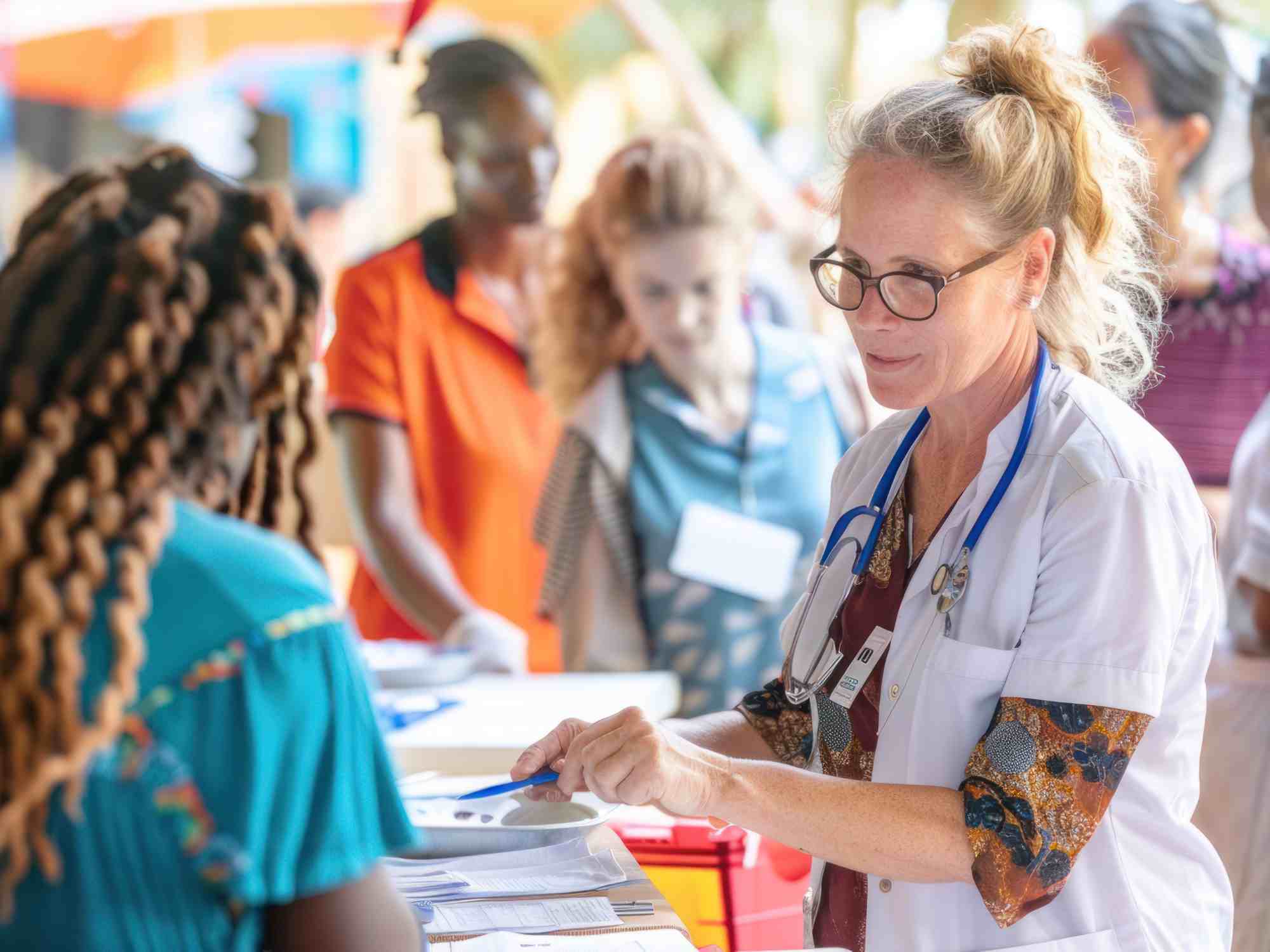
health care worker at cmmunity event

Together, We Can Make A Difference

It takes more than one person, or one program, to buffer the impact of childhood adversity. It takes all of us including the communities where we work, live and play.

Communities like 哈福德县 are coming together to create self-healing environments that reduce the incidence of adverse childhood experiences. Springboard Community Services is working with the county on this initiative, and talked about it on What's the 211? 播客. Listen and learn.

When we work together to strengthen families, build connections, and create safe, nurturing spaces for every child, we’re building more than resilience. We’re building a better future.

You may also like these articles

探索援助计划

了解福利计划以及如何获得支持。

食物

我附近的免费食物、食品储藏室、SNAP、WIC、杂货储蓄。

找食物

住房

支付租金、防止驱逐、无家可归者收容所。

寻找住房

实用工具

电费、煤气费和水费援助计划。

Get Utility Help

税收

Free tax preparation help, software, tax credits

Get Tax Help

探索援助计划

了解福利计划以及如何获得支持。

食物

我附近的免费食物、食品储藏室、SNAP、WIC、杂货储蓄

找食物

实用工具

电费、煤气费和水费援助计划

Get Utility Help

住房

租金支付、防止驱逐、无家可归者收容所

寻找住房

税收

Free tax preparation help, software, tax credits

Get Tax Help