Betreuen Sie rund um die Uhr das Kind eines Verwandten zu Hause? Informieren Sie uns, wir helfen Ihnen gerne bei der Suche nach geeigneten Hilfsangeboten.

Maryland Kinship Care 101: Was es ist und wie es hilft(wird in neuem Tab geöffnet)
Die freiwillige Betreuung eines Kindes oder einer Familie eines Verwandten (durch eine nicht verwandte Person) macht einen Unterschied! Selbst wenn es sich um eine informelle Vereinbarung handelt, ist diese Rund-um-die-Uhr-Betreuung eine Form der Verwandtschaftspflege, wenn Familienmitglieder oder Nichtverwandte in einer schwierigen Situation der Eltern einspringen.
Dieser Leitfaden zur Verwandtenpflege hilft den Einwohnern Marylands, die Verwandtenpflege und die damit verbundenen Leistungen zu verstehen. Viele Familien leisten auf diese Weise einen wichtigen Beitrag und wissen gar nicht, dass ihnen als Verwandtenpflegefamilie Unterstützung zusteht!
Beginnen Sie mit der Suche nach Ressourcen oder scrollen Sie weiter, um mehr über die unten aufgeführten Programme zu erfahren.


Was ist Angehörigenpflege?
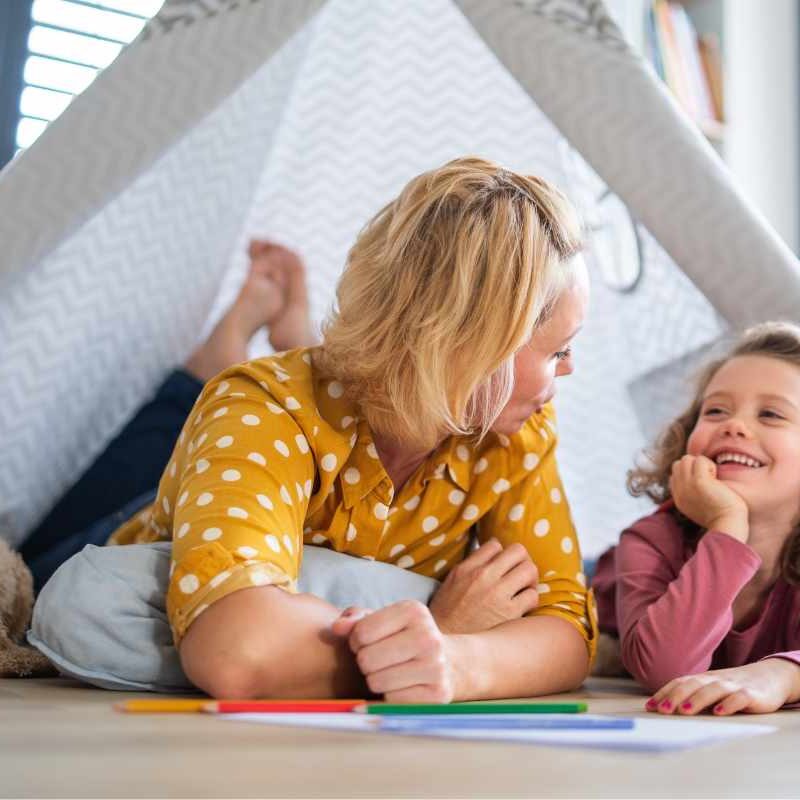
In Maryland spricht man von Verwandtschaftspflege, wenn ein Verwandter oder ein Familienmitglied nach freier Wahl (nicht verwandt) ein nicht-biologisches Kind rund um die Uhr in seinem Haus betreut.
Diese vorübergehende Betreuung außerhalb des eigenen Zuhauses wird als Verwandtenbetreuung bezeichnet.
Dadurch bleiben die Kinder in einem vertrauten familiären Umfeld und sind weiterhin mit ihrer Gemeinschaft und Kultur verbunden.
Marylands Ansatz, der die Familie in den Mittelpunkt stellt
Marylands ""Kind zuerst"" Dieser Ansatz konzentriert sich darauf, Kinder bei Verwandten oder engen Freunden der Familie unterzubringen, wenn ein Elternteil aufgrund einer schweren Notlage nicht in der Lage ist, sich um sein Kind zu kümmern.
Im Sinne der "Verwandten-zuerst"-Pflegekultur versucht das Jugendamt, bei der Unterbringung eines Kindes in einer Pflegefamilie eine Verwandtenpflegeperson zu finden. Diese Vorgehensweise wird bevorzugt, da sie auf bestehenden Beziehungen und familiären Bindungen aufbaut. Die Vertrautheit mit den Menschen und der Umgebung ermöglicht dem Kind einen reibungslosen Übergang und trägt zu seiner weiteren Entwicklung und seinem Wohlbefinden bei.
Arten der Verwandtschaftspflege
Es gibt formelle und informelle Bezugspersonen.
Formell
Bei Kinship Care (formell) vermittelt die örtliche Abteilung für Sozialdienste ein Kind, auf das sie aufmerksam werden, bei einer verwandten Bezugsperson. Der Angehörige behält das Sorgerecht und versorgt ihn rund um die Uhr.
Informell
Bei informeller Verwandtenpflege übernimmt ein Verwandter oder ein nicht verwandter Erwachsener die Betreuung und das Sorgerecht für ein Kind aufgrund schwerwiegender familiärer Notlage. Ein rechtliches Sorgerecht ist nicht erforderlich, und das Kind steht nicht unter der Obhut des Jugendamtes.
Wenn Mutter, Vater oder Erziehungsberechtigter in eine schwere Notlage geraten, können sie ihr Kind in informeller Verwandtenpflege unterbringen. Dies ist eine Wohnform für ein Kind, das nicht unter der Obhut, dem Sorgerecht oder der Vormundschaft des örtlichen Jugendamtes steht.
Was ist eine ernsthafte Härte?
Zu den qualifizierenden Umständen gehören folgende schwerwiegende Härtefälle:
- Aufgabe
- Inhaftierung eines Elternteils
- Tod der Eltern
- Ernsthafte Krankheit
- Verlassenheit durch die Eltern
- Substanzgebrauch
- Aktiver Militärdienst
Holen Sie sich Hilfe
Nehmen Sie an unserer Umfrage zur Verwandtschaftspflege teil und finden Sie lokale Anlaufstellen und Unterstützung. Indem Sie sich als Verwandtenpflegeperson identifizieren, helfen Sie uns, den Bedarf im ganzen Bundesland besser zu verstehen und Programme und Unterstützung für Verwandtschaftsfamilien zu verbessern.
Erhalte informative Verwandtschaftsnachrichten
Melden Sie sich bei MDKinCares an und erhalten Sie informative und ermutigende Unterstützungsnachrichten.
Sozialprogramme für Verwandtschaftsfamilien
Verwandtschaftsbetreuer wissen oft nicht, dass die von ihnen betreuten Kinder Anspruch auf Leistungen haben.
Zum Beispiel die Annie E. Casey Stiftung weist darauf hin, dass 88% der Verwandtenpflegepersonen keine vorübergehende Unterstützung für bedürftige Familien (TANF) in Anspruch nehmen, obwohl fast alle anspruchsberechtigt wären.
Wir sind hier, um Sie mit diesen Förderprogrammen in Verbindung zu bringen.
In Maryland gibt es mehrere Möglichkeiten, Sozialleistungen zu beantragen:
- Online: Maryland Benefits (ehemals MyMDTHINK)
- Besuch: Örtliches Sozialamt
- Anrufen: 1-833-373-5867
Wenn Sie sich nicht sicher sind, ob Sie die Voraussetzungen erfüllen, gibt es eine schnelle Antwort. 5-minütige Umfrage Auf der Webseite Maryland Benefits finden Sie verfügbare Leistungen für Ihre Familie.
Verfügbare Vorteile
Bewerber könnten unter Umständen Anspruch auf folgende Leistungen haben:
- Vorübergehende Bargeldhilfe (TCA)
- Marylands Programm für vorübergehende Unterstützung bedürftiger Familien (TANF).
- Nur-Kind-Zuschuss
- Kindesunterhalt
- Lebensmittelmarken/Programm für ergänzende Ernährungshilfe (SCHNAPP)
- Kinderbetreuungsstipendienprogramm (CCS)
- Medicaid-Medical Assistance (MA) ist ein staatliches Programm, das Krankenversicherung für Personen bereitstellt, die aufgrund von Alter, Blindheit, Behinderung, medizinischem Bedarf oder Leben in einem Pflegeheim Hilfe benötigen.
- Utility-Hilfe
Alle Anträge werden über Maryland Benefits gestellt. Weitere Leistungen sind verfügbar, die Anträge werden jedoch über andere staatliche Systeme bearbeitet.
Maryland-Gesundheitsverbindung
Gesundheitsleistungen werden für unversicherte Kinder aus Familien mit höherem Einkommen bis zum Alter von 19 Jahren über das Maryland Children's Health Program (MCHP) bereitgestellt.
Verwaltung der sozialen Sicherheit
Wenn ein Elternteil eines Ihrer Kinder verstorben oder behindert ist, haben Sie möglicherweise Anspruch auf Hinterbliebenenleistungen oder ergänzende Sozialleistungen (SSI). Beantragen Sie diese bei der Sozialversicherungsverwaltung.
Die Nummer 211 kann auch informellen Verwandtenpflegepersonen helfen, Ressourcen in der Gemeinde zu finden, wie z. B. psychologische Unterstützung, Lebensmittelausgaben, Wohnungshilfe und mehr.

Wer kann Verwandtenpflege leisten?
Verwandtenpflege ist eine dauerhafte Wohnform bei einem Verwandten oder einer Person, die eine langjährige Beziehung zum Kind oder zur Familie hat. Die Verwandtenpflegeperson kümmert sich um das Kind, unterstützt und beschützt es, bis eine dauerhafte Lösung gefunden ist.
Verwandte
In Maryland kann ein Verwandtschaftselternteil eine Person sein, die durch Blutsverwandtschaft oder Heirat verwandt ist. Das kann Folgendes sein:
- Großelternteil
- Tante/Onkel
- Cousin
- Geschwister
- ein anderer Verwandter
Wahlfamilie (nicht verwandt)
Darüber hinaus kann der Verwandte, mit dem er verwandt ist, eine langjährige Beziehung zum Kind oder zur Familie haben. Dies wird als Wahlfamilie (nicht verwandt) bezeichnet. Das kann beispielsweise Folgendes umfassen:
- enger Freund der Familie
- Pate
- Nachbar
- Lehrer
- Kirchenmitglied
- biologische Eltern eines Geschwisters
Inwiefern hilft die Verwandtschaft dem Kind?
Verwandtschaft kann eine positive Erfahrung sein, weil sie das Kind mit seiner Familie und Kultur verbindet.
Diese Wohnsituation unterstützt das Wohlbefinden des Kindes auf folgende Weise:
- Für Stabilität sorgen.
- Sorgen Sie für eine sichere Umgebung.
- Geben Sie dem Kind Zeit zum Heilen.
- Stress reduzieren und Traumata minimieren.
- Erleichtern Sie die Anpassung/den Übergang.
- Weniger störend für den Alltag – im akademischen, sozialen und emotionalen Bereich.
- Helfen Sie dem Kind, sich optimal zu entwickeln – in entwicklungspsychologischer, sozialer, emotionaler und verhaltensbezogener Hinsicht.
- Die kulturelle Identität bewahren.
- Fördern Sie die Geschwisterbindung.
- Familiäre Bindungen pflegen und stärken.
- Gefühle von Verlust und Trennung reduzieren.
- Helfen Sie dem Kind, sich zugehörig zu fühlen, da es sich um eine vertraute Umgebung und vertraute Menschen handelt.
- Die Widerstandsfähigkeit von Kind und Eltern stärken.
Obwohl diese Beziehungen viele positive Aspekte haben, können sie die Familiendynamik belasten. Suchen Sie nach Hilfsangeboten und Unterstützung, die Ihnen in solchen Situationen helfen können.
Verwandtschaftsnachweise
Eidesstattliche Erklärungen können für die Einschulung oder die medizinische Versorgung des Kindes erforderlich sein.
Erklärungen zum Gesundheitswesen
Die Zustimmung zur eidesstattlichen Versicherung ermöglicht es der Bezugsperson, das Kind in ihrer Obhut medizinisch zu versorgen. Das Kind kann sich in der Obhut von DSS befinden oder nicht.
Erziehung eines Kindes in Verwandtschaftspflege
Befindet sich ein schulpflichtiges Kind in Verwandtenpflege, kann es die öffentliche Schule an seinem Wohnort besuchen. Bei informeller Verwandtenpflege (ohne Beteiligung des Jugendamtes) muss der betreuende Verwandte eine eidesstattliche Erklärung abgeben, in der er die erhebliche Notlage des leiblichen Elternteils bezeugt.
Die eidesstattliche Erklärung für Kinder in informeller Verwandtschaftspflege im Bildungsbereich ermöglicht es dem informellen Verwandten, das Kind in der Schule anzumelden und als dessen Fürsprecher und Ansprechpartner zu fungieren.

Wie man Hilfe bei Verwandtschaftsfragen erhält(wird in neuem Tab geöffnet)
Durchsuchen Sie die 211 Community Resource Database nach Informationen zu Verwandtschaftsbeziehungen und anderen grundlegenden Bedürfnissen wie Nahrung und Unterkunft.
Geben Sie eine Postleitzahl ein und finden Sie Ressourcen in Ihrer Nähe.
Woran erkennt man, ob Verwandtschaft das Richtige für einen ist?
Die Verwandtenpflege bietet zahlreiche Vorteile.
Die Kinderbüro, ein Büro der Verwaltung für Kinder und Familien, empfiehlt Ihnen, sich Fragen wie diese zu stellen, um sicherzustellen, dass es die beste Entscheidung für Sie, Ihre Familie und das Kind ist:
- Können Sie fremde Kinder betreuen?
- Sind Sie bereit, sich um diese Kinder zu kümmern?
- Wie wird es Ihre Familie beeinflussen?
- Wird sich diese Pflege negativ auf Ihre geistige oder emotionale Gesundheit auswirken?
- Werden Sie bei der Suche nach einem dauerhaften Zuhause für das Kind behilflich sein? Das kann Ihr Zuhause, der Nachzug zu den Eltern oder eine andere Option sein.
- Können Sie die sozialen, entwicklungsbezogenen, schulischen und medizinischen Bedürfnisse des Kindes unterstützen?
- Können Sie die soziale und körperliche Entwicklung des Kindes fördern?
- Welche Unterstützung benötigen Sie, um diese Versorgung zu gewährleisten?
Unterstützung für Verwandte: MDKinCares
Die Maryland Department of Human Services und 211 Maryland haben eine neue Möglichkeit, mit Großeltern und Verwandten in Kontakt zu treten, die sich um ein Kind kümmern, dessen Eltern nicht in der Lage oder nicht bereit sind, es großzuziehen.
MDKinCare bietet:
- Schneller Zugriff auf Informationen und Community-Ressourcen.
- Ermutigende Unterstützungsbotschaften.
Senden Sie MDKinCares eine SMS an 898211
Auf dem Handy können Sie auf die Schaltfläche klicken.
*211 Maryland bietet SMS-Warnprogramme an, die regionalspezifische Ressourceninformationen oder Katastrophenwarnungen bereitstellen. Es können Nachrichten- und Datengebühren anfallen und die Nachrichtenhäufigkeit kann variieren. Um Hilfe zu erhalten, senden Sie eine SMS mit dem Text HELP. Um sich abzumelden, senden Sie eine SMS mit dem Text STOP an dieselbe Nummer. Vollständige SMS-Bedingungen unter https://211md.org/sms/ wird auch gelten.

Weitere Informationen für Verwandtschaftsfamilien

Verwandtschaftsnavigation: Wie man Unterstützung findet und Herausforderungen überwindet
Betreuen Sie rund um die Uhr ein Kind eines Verwandten bei sich zu Hause? Teilen Sie uns dies mit, und wir helfen Ihnen, passende Unterstützung zu finden. Nehmen Sie an der Umfrage teil…

Hilfe bei kindlichem Verhalten bekommen
Die Betreuung von Kindern gehört zu den wichtigsten und manchmal auch anspruchsvollsten Aufgaben überhaupt. Kindererziehung erfordert Geduld, Energie und Unterstützung. Es ist einfach…

Wie Maryland WIC Frauen, Säuglingen und Kindern mit Lebensmitteln hilft
WIC stellt berechtigten werdenden Müttern, stillenden Müttern und Kindern bis zum Alter von 5 Jahren Lebensmittelgutscheine zur Verfügung. Informieren Sie sich über die Berechtigung und nehmen Sie Kontakt auf mit …

Hilfe für Familien in Maryland: Kinderbetreuung und Sozialleistungen
Gemeinsam können wir Marylands Kindern zu einem besseren Leben verhelfen! Ob Eltern, Großeltern, Betreuungspersonen oder Verwandte – die Nummer 211 vermittelt Ihnen die passenden Unterstützungsangebote in Ihrer Gemeinde.

Finden Sie kostenlose und kostengünstige Gesundheitsversorgung
Suchen Sie eine kostenlose oder kostengünstige Gesundheitsklinik oder eine andere medizinische Einrichtung? Die Gesundheitsleistungen können Vorsorgeuntersuchungen, Labortests, Schwangerschaftsvorsorge usw. umfassen.

Marylands Leitfaden für kostenlose Lebensmittel
Steigende Lebensmittelpreise belasten das Budget vieler Familien und Einzelpersonen. Die Nummer 211 hilft Ihnen dabei, Zugang zu Lebensmittelhilfsprogrammen zu erhalten. Jetzt suchen…

Wählen Sie 211
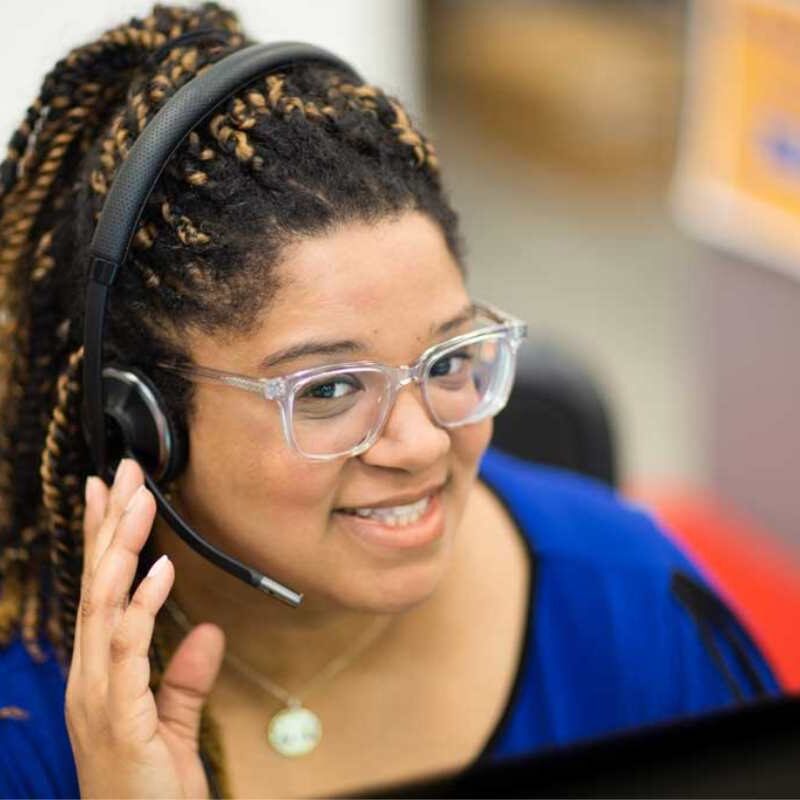
Sprechen Sie rund um die Uhr mit einer fürsorglichen und mitfühlenden Person. Sie kann Sie auch mit Ressourcen verbinden.
Hilfsprogramme erkunden
Informieren Sie sich über Leistungsprogramme und wie Sie mit dem Support in Kontakt treten können.

Essen
Kostenlose Lebensmittel in meiner Nähe, Vorratskammern, SNAP, WIC, Lebensmittelersparnisse.

Gehäuse
Mietzahlungen, Räumungsschutz, Obdachlosenunterkünfte.

Dienstprogramme
Unterstützungsprogramme für Strom-, Gas- und Wasserrechnungen.

Steuern
Kostenlose Hilfe bei der Steuererklärung, Software, Steuergutschriften
Hilfsprogramme erkunden
Informieren Sie sich über Leistungsprogramme und wie Sie mit dem Support in Kontakt treten können.
Essen
Kostenloses Essen in meiner Nähe, Vorratskammern, SNAP, WIC, Lebensmitteleinsparungen
Dienstprogramme
Unterstützungsprogramme für Strom-, Gas- und Wasserrechnungen
Gehäuse
Mietzahlungen, Räumungsschutz, Obdachlosenunterkünfte
Steuern
Kostenlose Hilfe bei der Steuererklärung, Software, Steuergutschriften